株式会社まるハルク


HOME >> NEWS >>NEWS >> Marine Valves: A Data-Driven Guide to Selection, Optimization, and User-Centric Solutions
Details

Marine Valves: A Data-Driven Guide to Selection, Optimization, and User-Centric Solutions

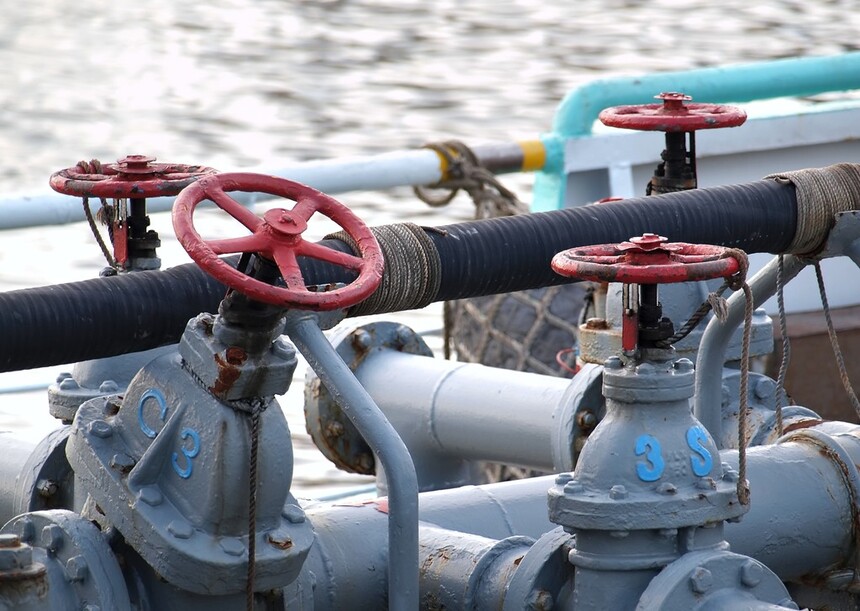
Marine valves are indispensable components in maritime systems, ensuring the safe and efficient control of fluids, gases, and hydraulic systems across ships, offshore platforms, and subsea equipment. In 2025, optimizing marine valve performance requires a blend of technical expertise, user-centric design principles, and SEO-driven content strategies to address evolving industry demands. This guide leverages data, user behavior insights, and industry standards to provide actionable solutions for engineers, operators, and procurement teams.


1. Understanding User Needs: Applying the KANO Model to Marine Valves

To deliver value, marine valve solutions must align with user expectations. Using the KANO Model, we categorize user needs as follows:

Demand TypeMarine Valve Application
Basic NeedsReliable sealing, corrosion resistance, and compliance with ISO/API standards (e.g., ISO 15809).
Expected NeedsEase of maintenance, pressure/temperature tolerance, and durability in harsh marine environments.
Excitement NeedsSmart monitoring features (e.g., IoT-enabled leak detection) or eco-friendly materials.

Example: A ship operator prioritizes basic needs (safety) but may seek excitement features like self-diagnostic valves to reduce downtime.


2. Top User Queries and SEO-Optimized Solutions

Analyzing user intent and search trends helps address common challenges:

2.1 "How to Choose the Right Marine Valve for My Application?"

  • Step 1: Define System Requirements

    • Pressure/temperature ranges (e.g., 300°C for steam systems).

    • Fluid type (seawater, fuel oil, or hydraulic fluid).

  • Step 2: Match Valve Type to Function

    • Ball Valves: Fast on/off for hydraulic systems.

    • Check Valves: Prevent backflow in pumps.

    • Safety Valves: ISO-compliant pressure relief.

  • Step 3: Prioritize Certifications

    • Look for DNV GL, ABS, or Lloyd’s Register approvals.

2.2 "How Often Should I Maintain Marine Valves?"

  • Preventive Maintenance Schedule:

    • Monthly: Visual inspections for corrosion or leaks.

    • Quarterly: Lubricate moving parts and test seals.

    • Annually: Full disassembly for high-pressure valves.

  • Key Metrics to Track:

    • Valve seat wear (replace if >0.5mm erosion).

    • Seal integrity (replace cracked or hardened O-rings).

2.3 "What Are the Latest Trends in Marine Valve Technology?"

  • Smart Valves with IoT Integration: Real-time monitoring of pressure and flow.

  • Eco-Friendly Materials: Bronze alloys or PTFE coatings to reduce environmental impact.

  • Modular Design: Quick replacement of components without full system shutdown.

staff_1024.jpg

3. Marine Valve Businesses

Applying ASO (App Store Optimization) principles to SEO can boost visibility:

3.1 Keyword Targeting

  • Primary Keywords: "marine valves," "marine ball valve suppliers," "marine valve maintenance checklist."

  • Long-Tail Keywords: "ISO-certified safety valves for offshore platforms," "how to prevent corrosion in marine gate valves."

3.2 On-Page SEO Best Practices

  • Title Tag: "Marine Valves 2025: Types, Maintenance Tips, and ISO-Compliant Solutions."

  • Meta Description: "Discover the latest marine valve technologies, maintenance strategies, and compliance standards for safe offshore operations."

  • Content Structure: Use H2/H3 headers, bullet points, and bold keywords for readability.

3.3 User-Centric Content

  • Case Studies: "How a Cruise Liner Reduced Downtime by 30% with Smart Check Valves."

  • Infographics: Visual guides on valve selection criteria or maintenance steps.

  • FAQ Sections: Address common queries like "Are marine valves recyclable?" or "How to choose between gate vs. butterfly valves."

4. Competitive Analysis and Market Trends

  • Competitor Benchmarking:

    • Analyze top competitors’ websites for keyword gaps (e.g., "subsea valve testing").

    • Highlight unique selling points (e.g., "lowest lead time for custom marine valves").

  • Emerging Trends (2025):

    • Sustainability: Valves with zero lead content or carbon-neutral manufacturing.

    • AI Integration: Predictive maintenance algorithms for valve lifespan optimization.

5. Compliance and Safety Standards

Marine valves must adhere to rigorous standards to ensure safety and global market access:

  • ISO 15803: Valves for offshore production platforms.

  • API 609: Control valves for oil and gas applications.

  • IMO Guidelines: Compliance with environmental regulations for ballast water systems.

Conclusion

In 2025, marine valve solutions must balance technical excellence with user-centric design and SEO-driven content to meet evolving industry demands. By addressing basic, expected, and excitement needs through data-driven strategies, businesses can enhance visibility, reduce downtime, and build trust with maritime operators. For tailored solutions, consult valve manufacturers specializing in ISO-compliant, smart, and eco-friendly technologies.


株式会社まるハルク


〒220-0012 神奈川県横浜市西区

みなとみらい3-6-1

みなとみらいセンタービルディング19階

Level 19, Minato Mirai Centre Bldg.,

3-6-1 Minatomirai , Nishi-ku

Yokohama,

Kanagawa 220-0012

Japan


Email

E-MAIL
Contact Us:
No content
Word 500(limit 500 Character)
seo seo