|
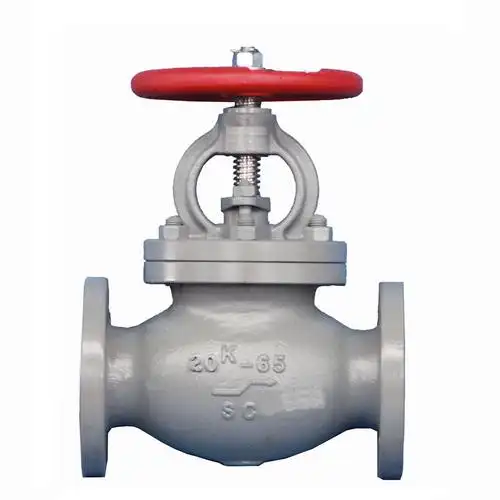
Marine Valves: A Comprehensive Guide for Maritime ApplicationsMarine valves are critical components in the maritime industry, ensuring the safe and efficient operation of ships, offshore platforms, and other marine systems. Whether you’re a ship operator, engineer, or supplier, understanding the role, types, and maintenance of marine valves is essential to optimizing performance and safety. This guide will explore the key aspects of marine valves, their applications, and best practices for selection and maintenance. 1. What Are Marine Valves? Marine valves are specialized mechanical devices designed to regulate, direct, or control the flow of liquids, gases, or slurries in marine environments. They are engineered to withstand harsh conditions, including saltwater corrosion, high pressure, and extreme temperatures. Common materials include stainless steel, bronze, and nickel alloys, ensuring durability and reliability. Key Features of Marine Valves: Corrosion Resistance: Treated for prolonged exposure to seawater. High Pressure/Thermal Tolerance: Suitable for engine systems, fuel lines, and HVAC. Leak-Proof Seals: Prevent fluid loss and maintain system integrity. 2. Types of Marine Valves and Their Applications Choosing the right valve depends on the specific application. Below are the most common types of marine valves and their uses: 2.1 Gate Valves Function: Full or complete shut-off of fluid flow. Use Cases: Mainline systems, cargo tanks, and ballast tanks. 2.2 Ball Valves Function: Quick on/off control with minimal pressure drop. Use Cases: Fuel lines, water supply systems, and emergency shut-off systems. 2.3 Globe Valves Function: Precise flow regulation. Use Cases: Steam systems, cooling circuits, and chemical injection systems. 2.4 Check Valves Function: Prevent backflow in pipelines. Use Cases: Pump discharge lines, condensate return systems. 2.5 Butterfly Valves Function: Compact design for cost-effective flow control. Use Cases: HVAC systems, air intake, and fire suppression systems. 2.6 Safety Relief Valves Function: Protect systems from overpressure. Use Cases: Boiler systems, fuel tanks, and pressure vessels.
3. Why Marine Valves Matter in Ship Operations Marine valves play a pivotal role in maintaining operational efficiency and safety. For example: Fuel Systems: Valves regulate diesel or LNG flow to engines, ensuring optimal combustion. Ballast Water Management: Valves control water intake and discharge to stabilize ship balance. Emergency Shut-Off: Rapid valve closure prevents catastrophic failures in case of leaks or fires. A single malfunctioning valve can lead to downtime, costly repairs, or even environmental disasters. Regular inspection and maintenance are crucial to prevent such risks. 4. How to Choose the Right Marine Valve Selecting the appropriate valve involves evaluating several factors: 4.1 Application Requirements Fluid Type: Compatibility with seawater, fuel, or chemicals. Operating Conditions: Temperature, pressure, and flow rate. 4.2 Material Selection Stainless Steel: Ideal for high-corrosion environments. Bronze: Suitable for low-pressure water systems. 4.3 Valve Size and Configuration Ensure the valve matches the pipeline dimensions and system layout. 4.4 Compliance Standards Look for certifications like ISO 9001, API 600, or DNV GL for quality assurance. 5. Maintenance and Troubleshooting Proper maintenance extends the lifespan of marine valves. Here are key practices: 5.1 Regular Inspections Check for leaks, corrosion, or wear during routine maintenance. 5.2 Lubrication Apply marine-grade lubricants to moving parts (e.g., stems, seals). 5.3 Testing Conduct pressure tests and valve function checks to ensure reliability. 5.4 Common Issues and Solutions Leakage: Replace worn seals or gaskets. Sticking Valves: Clean debris or re-lubricate. Corrosion: Use anti-fouling coatings or replace corroded components. 6. Case Study: Marine Valves in Offshore Oil Platforms In offshore oil and gas operations, marine valves are used to control the flow of crude oil, natural gas, and seawater for cooling. For instance, globe valves regulate high-pressure steam in turbines, while check valves prevent backflow in pipelines. The use of corrosion-resistant materials like Inconel has significantly reduced maintenance costs and downtime in these harsh environments. 7. FAQs About Marine Valves Q1: How often should marine valves be inspected? A: Inspect valves every 6–12 months, depending on usage intensity and environmental conditions. Q2: Can marine valves be repaired, or must they be replaced? A: Minor issues like leaks or sticking can often be repaired. Severe corrosion or damage may require replacement. Q3: What’s the difference between marine and industrial valves? A: Marine valves are designed for saltwater resistance and higher durability to withstand maritime conditions. Conclusion Marine valves are the backbone of safe and efficient maritime operations. By understanding their types, applications, and maintenance requirements, you can ensure optimal performance and longevity. Whether you’re upgrading your fleet or designing new systems, investing in high-quality marine valves is a decision that pays off in reliability, safety, and cost savings. Need Expert Advice? For tailored recommendations on marine valves, contact our team of maritime engineers to find the best solutions for your specific needs. |