|
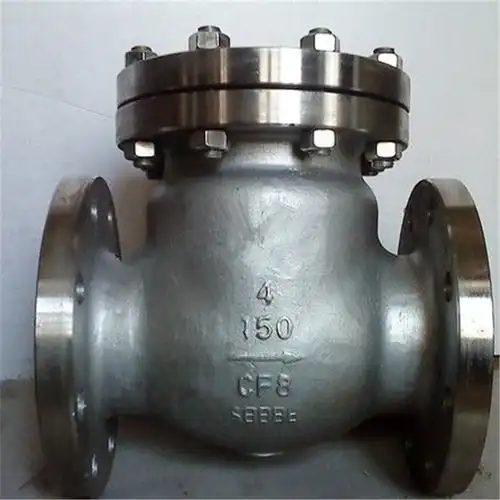
Marine Valves: Ultimate Guide to Types, Applications, and Maintenance1. Why Marine Valves Matter Marine valves are the unsung heroes of maritime engineering, controlling fluid flow in ships, offshore platforms, and desalination plants. From preventing seawater corrosion to ensuring safe fuel transfers, these valves are critical for operational efficiency and safety. In this guide, we break down everything you need to know, backed by industry insights and actionable tips. 2. Types of Marine Valves and Their Uses A. Ball Valves Features: Quick shut-off, low torque, and tight sealing. Applications: Ballast systems, fuel lines, and seawater cooling. Materials: Bronze, 316L stainless steel, or duplex stainless steel for corrosion resistance . B. Butterfly Valves Features: Lightweight, compact design for space-constrained areas. Applications: Cooling water circuits and ballast systems. Materials: Aluminum bronze or super duplex steel for high-pressure environments . C. Check Valves Features: Prevent backflow in pumps and pipelines. Applications: Bilge systems and cargo handling. Materials: EPDM seals for seawater compatibility . D. Globe Valves Features: Precise flow control via throttling. Applications: Fuel regulation and lubrication systems.
3. Material Selection: The Key to Durability Marine valves face harsh conditions—saltwater corrosion, high pressure, and extreme temperatures. Choose materials based on your system’s demands: Stainless Steel (316L): Resists chloride-induced corrosion; ideal for engine cooling systems . Bronze: Cost-effective for non-critical applications like bilge pumps. Hastelloy: For chemical processing or offshore oil platforms. Elastomers (NBR/EPDM): Compatible with fluctuating temperatures and seawater . Pro Tip: Opt for DNV or ABS-certified materials to meet international maritime standards . 4. Technical Specifications to Prioritize When selecting marine valves, consider: Pressure Rating: PN16 or higher for high-demand systems (e.g., LNG terminals) . Temperature Range: -20°C to 180°C (varies by material). Certifications: API 6D, ISO 15848 (leakage standards), and class society approvals . 5. Maintenance Strategies to Extend Lifespan A. Routine Inspections Check for leaks, corrosion, or valve seating wear. Lubricate actuators and seals quarterly to prevent sticking . B. Common Issues & Solutions Sticking Valves: Flush with fresh water to remove salt buildup. Seal Degradation: Replace EPDM seals if exposed to high temperatures. C. Predictive Maintenance Use IoT sensors to monitor valve performance in real-time, reducing downtime by 30% . SEO Keywords: marine valve maintenance, valve troubleshooting, predictive maintenance. 6. Top Suppliers and Certifications Choose suppliers with proven expertise in marine environments: Parker Hannifin: Hydraulic and pneumatic valves for shipboard systems. KSB AG: Subsea valves and high-pressure solutions. DNV-Certified Manufacturers: Ensure compliance with international safety standards . SEO Keywords: marine valve suppliers, DNV-certified valves, Parker marine valves. 7. Future Trends in Marine Valve Design Smart Valves: IoT integration for remote monitoring and automation. 3D Printing: Custom valve prototypes for rapid deployment. Eco-Friendly Designs: Energy-efficient actuators and recyclable materials. |