|
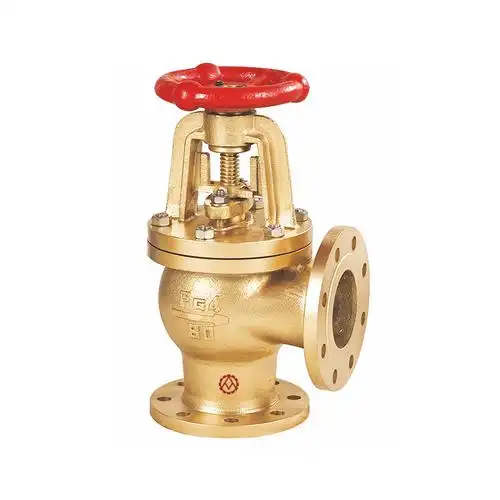
Industrial Valves: Essential Components for Modern IndustriesMarine valves, also known as marine valves, are critical components in the maritime industry, designed to control the flow of fluids (such as water, oil, or gas) within a ship’s piping systems. These valves are engineered to withstand harsh marine environments, including exposure to saltwater, extreme temperatures, and mechanical vibrations. Their primary function is to regulate pressure, flow rate, and fluid direction, ensuring the safe and efficient operation of ships and offshore structures. Key Features of Marine Valves Material Durability: Marine valves are typically constructed from corrosion-resistant materials such as brass (e.g., BC6 bronze), stainless steel, or cast iron. These materials ensure longevity in corrosive seawater conditions. For example, Marine bronze flanged globe valves (JIS F7301 standard) are widely used for their strength and resistance to erosion. Design Variants: Marine valves come in diverse designs to suit specific applications: Globe Valves: Used for precise flow control in systems like fuel lines. Butterfly Valves: Ideal for large-diameter pipelines due to their compact design. Check Valves: Prevent backflow in critical systems like ballast tanks. Quick-Closing Valves (QCVs): Essential for emergency shutdowns in high-risk areas (e.g., fuel systems). Hydraulic Actuators: Enable remote operation of valves in automated systems. Compliance with Standards:
Marine valves must adhere to international standards such as JIS (Japanese Industrial Standards), DIN (German Industrial Norms), ANSI (American National Standards Institute), and ISO. For instance, JIS F7301 specifies requirements for bronze globe valves used in general marine applications. Applications of Marine Valves Ballast and Bilge Systems: Valves like seacock valves and deck drains manage the intake and discharge of seawater for stability. Propulsion and Power Systems: Valves regulate fuel and lubricant flow in engines and auxiliary machinery. Refrigeration and HVAC: Thermal expansion valves and pressure regulators maintain optimal temperatures in cargo holds and crew quarters. Safety Systems: Safety valves and relief valves prevent overpressure in boilers, tanks, and pipelines. Offshore Platforms: Valves control oil and gas flow in drilling and production operations. Manufacturing and Market Trends The marine valve industry is driven by the need for reliability and innovation. Key manufacturers, such as Qingdao Yokosun Fluid Technology Co., Ltd. in China, produce valves under rigorous quality controls, offering customized solutions (OEM/ODM) for global clients. Recent trends include: Smart Valve Controllers: Integration of IoT-enabled systems for real-time monitoring and predictive maintenance. Eco-Friendly Designs: Low-noise, energy-efficient valves (e.g., 30W power consumption in 3D-printed prototypes like MARV) to reduce environmental impact. Advanced Materials: Use of wood-based PLA filaments in 3D-printed valve components for lightweight and sustainable applications. Challenges and Innovations Corrosion Resistance: Research focuses on coatings (e.g., epoxy or nickel plating) to enhance durability in saltwater environments. Automation: Hydraulic and electro-hydraulic actuators are increasingly used for remote valve operation in large vessels. Global Compliance: Manufacturers must navigate varying regional standards (e.g., JIS in Japan, ABS in the U.S.) to ensure market access. Conclusion Marine valves are indispensable in ensuring the safety, efficiency, and compliance of maritime operations. As the industry evolves, advancements in materials, smart technology, and sustainability will continue to shape the design and functionality of these critical components. Whether in traditional steel-hulled ships or cutting-edge offshore platforms, marine valves remain a cornerstone of modern naval engineering. |