|
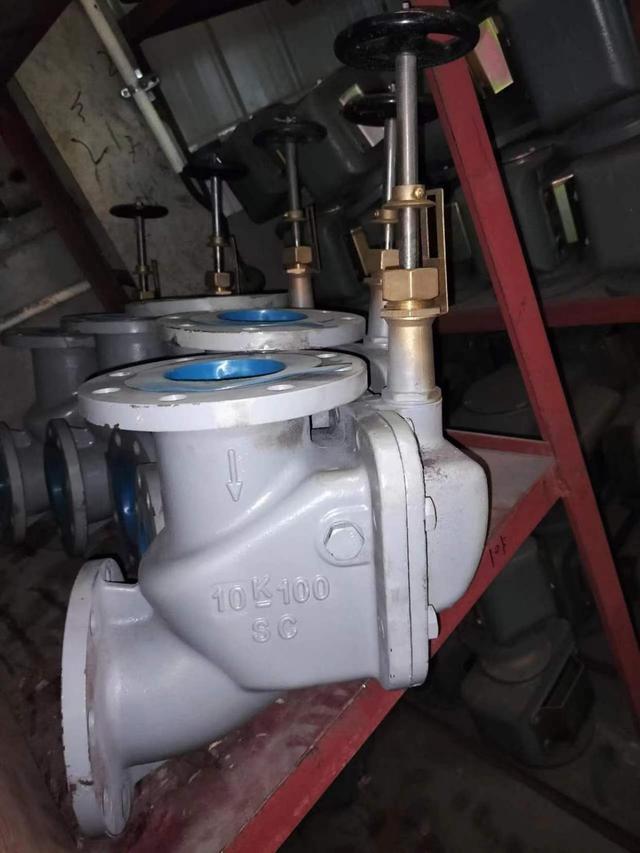
Marine Valves: Essential Components for Maritime Engineering and SafetyMarine valves are critical mechanical devices designed to control the flow, pressure, and direction of fluids and gases in piping systems aboard ships and offshore platforms. These valves are engineered to withstand the harsh marine environment, including exposure to saltwater, extreme temperatures, and mechanical stress, while ensuring the safe and efficient operation of vessels. From propulsion systems to ballast water management and fire suppression, marine valves are indispensable in maintaining the functionality, safety, and compliance of maritime operations. Types and Applications of Marine Valves Marine valves are categorized based on their design, function, and application. Some of the most common types include: Gate Valves: Used for full shut-off in low-frequency operations (e.g., seawater intake lines). They provide minimal flow resistance and tight sealing. Globe Valves: Ideal for precise flow regulation in systems like fuel oil and lubrication circuits, where frequent adjustments are required. Ball Valves: Known for their quick on/off functionality and durability, suitable for high-pressure environments such as hydraulic and fuel systems. Butterfly Valves: Lightweight and cost-effective, commonly used in large-volume flow applications (e.g., cooling water and ventilation systems). Check Valves: Prevent backflow to protect equipment and maintain system integrity, often found in pump discharge lines. Pressure Relief Valves: Safeguard against overpressure in critical systems like boilers and pressurized tanks. Solenoid Valves: Electrically operated valves for automated systems, such as engine controls and bilge pumping. Specialized marine valves include seawater intake valves, deck drainage valves, safety valves for high-pressure systems, and thermostatic valves for refrigeration and cargo cooling. For example, marine butterfly valves (GB/T 3036-1994) are widely used for their compact design, while quick-shutting valves (GB/T 5744-1993) ensure rapid isolation of critical systems during emergencies. Materials and Compliance Standards Marine valves are constructed from corrosion-resistant and durable materials to endure prolonged exposure to seawater and harsh operational conditions. Common materials include: Stainless steel and bronze for corrosion resistance. Cast iron and ductile iron for heavy-duty applications. Specialized alloys (e.g., Hastelloy, Inconel) for high-temperature or chemically aggressive environments. Compliance with international and national standards is essential to ensure performance, safety, and regulatory adherence. Key standards include:
ABS (American Bureau of Shipping) DNV GL (Det Norske Veritas Germanischer Lloyd) Lloyd’s Register (LR) IMO (International Maritime Organization) regulations Chinese Standards: GB/T 11698-1989 (marine flanged metal valves), GB/T 3036-1994 (marine center-pivoted butterfly valves), and GB/T 5744-1993 (marine quick-shutting valves). Role in Maritime Operations Marine valves play a pivotal role in ensuring: Safety: Preventing backflow, overpressure, and leaks to avoid catastrophic failures. Efficiency: Optimizing flow rates and reducing energy losses in propulsion and auxiliary systems. Environmental Protection: Minimizing spills and emissions in oil tankers and chemical carriers. Regulatory Compliance: Ensuring adherence to international maritime laws and port state inspections. For instance, check valves in ballast water systems prevent contamination, while pressure relief valves in boiler systems protect against overpressure risks. In refrigeration systems, thermostatic expansion valves regulate cooling processes to preserve cargo integrity. Innovation and Future Trends As the maritime industry evolves, marine valve technology is advancing to meet modern demands: Smart Automation: Integration of sensors and actuators for real-time monitoring and remote control. Eco-Friendly Materials: Development of valves with reduced environmental impact, such as non-toxic coatings and energy-efficient designs. Digital Twin Technology: Virtual modeling of valve systems for predictive maintenance and performance optimization. Conclusion Marine valves are the unsung heroes of maritime engineering, enabling the safe and sustainable operation of ships and offshore structures. Their design, material selection, and compliance with global standards directly impact vessel reliability, crew safety, and environmental stewardship. By leveraging advanced technologies and adhering to rigorous regulations, the marine valve industry continues to drive innovation, ensuring the future of shipping remains efficient, safe, and sustainable. |