|
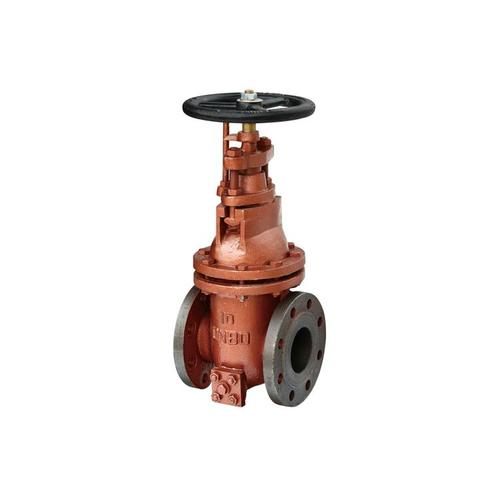
Marine Valves: The Critical Components of Ship EngineeringMarine valves, known as marine valves in technical terminology, are indispensable components in the design and operation of ships. These devices are specifically engineered to meet the rigorous environmental conditions of maritime environments. Their primary function is to control the pressure, flow rate, and direction of fluids within a ship’s piping systems, ensuring the safe and efficient operation of onboard machinery and systems. Types and Applications of Marine Valves Marine valves come in a wide variety of designs, each tailored to specific functions on a ship. For instance: Seawater Valves (通海阀门): These valves connect the ship’s internal systems to seawater, enabling critical operations such as cooling, fire suppression, and ballast control. They often serve as backup systems during dock repairs or emergencies. Stop Valves (截止阀) and Check Valves (止回阀): Used to regulate or isolate fluid flow, these valves are essential in fuel systems, hydraulic circuits, and water management systems. Butterfly Valves (蝶阀): Known for their compact design, butterfly valves are employed in ventilation and drainage systems due to their ability to handle large volumes of fluid with minimal pressure loss. Quick-Closing Valves (快关阀): Installed in high-risk areas, these valves can shut off fluid flow rapidly in case of leaks or fires, enhancing safety. Hydraulic Control Valves: Integrated with hydraulic actuators, these valves manage complex systems like steering mechanisms and deck machinery, ensuring precise control under varying loads. Critical Role in Ship Systems Marine valves are vital to the functionality of nearly every ship subsystem:
Fuel and Lubrication Systems: Valves regulate the flow of fuel to engines and lubricants to moving parts, maintaining optimal performance. Refrigeration and Air Conditioning: Expansion valves, pressure regulators, and solenoid valves ensure temperature control in cargo holds and crew quarters. Safety Systems: Safety valves prevent overpressure in boilers and high-pressure tanks, while emergency shut-off valves mitigate risks during accidents. Ballast and Bilge Systems: Valves manage ballast water to stabilize the ship and expel bilge water to prevent corrosion and structural damage. Design and Material Considerations Marine valves are constructed from corrosion-resistant materials such as bronze, stainless steel, and specialized alloys to withstand saltwater exposure and extreme weather. Innovations like electromagnetic proportional control valves and hydraulic balance valves have further enhanced precision and reliability. For example, Marine bronze flanged stop valves are preferred for their durability in seawater applications, while electro-hydraulic servo valves enable advanced automation in modern vessels. Manufacturing and Industry Standards Leading manufacturers, such as those in Dalian and Jiangxi (e.g., Dalian Marine Valve Factory), specialize in producing valves that comply with international maritime regulations. These companies leverage advanced technologies, including numerical simulation for aerodynamic performance analysis, to optimize valve efficiency. Additionally, the integration of smart controllers and IoT-enabled monitoring systems is revolutionizing maintenance practices, allowing real-time diagnostics and predictive repairs. Conclusion Marine valves are the unsung heroes of ship engineering, ensuring the seamless operation of critical systems while safeguarding the vessel and its crew. As maritime technology evolves, innovations in valve design—such as low-noise, energy-efficient models and eco-friendly materials—will continue to play a pivotal role in advancing sustainability and safety at sea. Whether in traditional cargo ships or cutting-edge offshore platforms, marine valves remain a cornerstone of reliable and efficient maritime operations. |