|
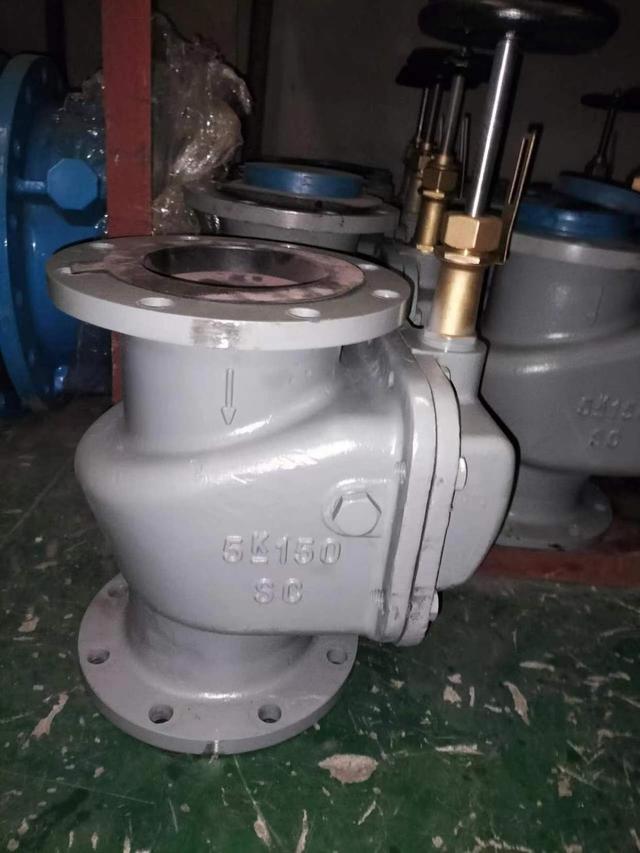
Marine Valves: Essential Components in Shipboard SystemsMarine valves, commonly referred to as marine valves, are critical components in the operation and safety of ships and offshore vessels. These valves are specifically engineered to meet the harsh environmental conditions of maritime environments, ensuring reliable control of fluid flow, pressure, and direction within shipboard piping systems. From cargo handling to engine operations, marine valves play a pivotal role in maintaining the efficiency and safety of maritime infrastructure. Definition and Purpose Marine valves are mechanical devices designed to regulate the flow of liquids, gases, or other media in shipboard systems. They are constructed to withstand corrosion, vibration, and temperature fluctuations inherent to marine environments. Their primary functions include: Flow Control: Adjusting the volume and speed of fluid movement. Pressure Regulation: Maintaining safe operating pressures in pipelines. Isolation: Shutting off sections of a system for maintenance or emergencies. Safety Protection: Preventing overpressure or backflow in critical systems. Types of Marine Valves Marine valves are categorized based on their design, function, and application. Key types include: Gate Valves Used for on/off control in large-diameter pipelines (e.g., ballast water systems). Provide minimal flow resistance when fully open. Globe Valves Ideal for throttling and precise flow regulation. Commonly used in fuel oil and steam systems. Ball Valves Quick quarter-turn operation for reliable shut-off. Resistant to seawater corrosion, often used in bilge and fire-fighting systems. Check Valves Prevent backflow in systems like pumps and compressors. Examples: Swing check valves and lift check valves. Butterfly Valves Compact and lightweight, suitable for large-diameter pipelines. Used in ventilation and HVAC systems. Safety Valves Protect against overpressure in boilers, pressure vessels, and high-pressure systems. Specialized Marine Valves Quick-Closing Valves (QCVs): Instant shut-off in emergency situations (e.g., fuel lines). Hydraulic Actuators: For automated valve control in propulsion and steering systems. Electro-Hydraulic Servo Valves: Precision control in hydraulic systems for rudder adjustments. Applications in Shipboard Systems Marine valves are integral to various subsystems on ships and offshore platforms:
Main Engine and Auxiliary Systems Fuel oil, lubrication, and cooling systems require precise flow control. Safety valves prevent catastrophic failures in high-pressure environments. Cargo Handling Valves manage the loading, unloading, and storage of liquids (e.g., crude oil, LNG). Isolation valves ensure safe maintenance of cargo tanks. Ballast and Bilge Systems Ballast valves regulate water intake to stabilize the vessel. Bilge valves remove wastewater from the ship’s hull. Refrigeration and HVAC Expansion valves and pressure regulators maintain optimal temperatures in cold storage and air conditioning systems. Fire-Fighting Systems High-pressure valves and hydrants ensure rapid response during emergencies. Design and Material Considerations Marine valves are engineered with materials resistant to corrosion, abrasion, and extreme temperatures: Materials: Bronze, stainless steel, carbon steel, and exotic alloys (e.g., Inconel) are commonly used. Sealing Mechanisms: Advanced seals (e.g., Viton, EPDM) ensure leak-proof performance. Actuation: Manual, gear-driven, hydraulic, or electric actuators provide flexibility for automation. Standards and Certification Marine valves must comply with international standards and certifications to ensure safety and reliability: Classification Societies: DNV GL, Lloyd’s Register, ABS, and Bureau Veritas set design and testing protocols. Regulations: Compliance with SOLAS (Safety of Life at Sea) and MARPOL (Pollution Prevention) directives is mandatory. Importance in Maritime Safety The failure of marine valves can lead to catastrophic consequences, such as oil spills, engine breakdowns, or loss of vessel stability. Regular inspection, maintenance, and replacement of worn-out valves are essential to prevent accidents and ensure compliance with maritime regulations. Conclusion Marine valves are indispensable in modern shipbuilding and offshore operations. Their robust design, diverse applications, and adherence to global standards make them a cornerstone of maritime engineering. As technology advances, innovations like smart valves with IoT integration and advanced corrosion-resistant materials will further enhance their performance, ensuring safer and more efficient maritime operations in the future. |