|
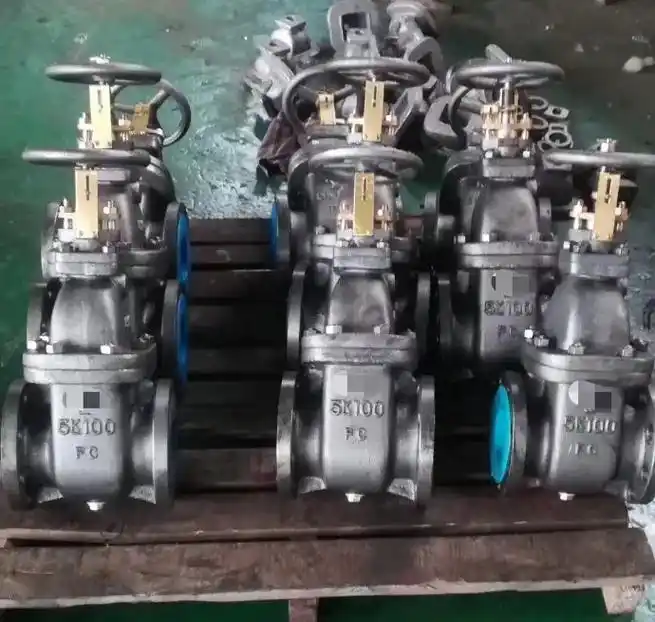
Marine Valves: Design, Applications, and InnovationsMarine valves, also known as marine valves (marine valves), are critical components in the maritime industry, designed to control the flow of fluids (such as water, fuel, and chemicals) within shipboard piping systems. These valves are engineered to withstand harsh marine environments, including exposure to saltwater corrosion, high pressure, and mechanical stress. Below is an overview of their design, applications, and recent advancements in the field. 1. Definition and Core Functions Marine valves are specialized devices that regulate the pressure, flow rate, and direction of fluids in a ship’s piping systems. They are essential for ensuring the safe and efficient operation of vessels. Key functions include: Isolation: Shutting off fluid flow during maintenance or emergencies. Regulation: Controlling flow rates (e.g., in cooling or fuel systems). Safety: Preventing overpressure (via safety valves) or backflow (via check valves). Directional Control: Managing unidirectional flow (e.g., in fire suppression or ballast systems). According to the International Shipbuilding Dictionary, marine valves are categorized into types such as globe valves, gate valves, butterfly valves, ball valves, and check valves. For example, marine bronze flanged stop valves and marine quick-closing valves are commonly used for their durability and reliability. 2. Types and Applications Marine valves are tailored to specific shipboard systems and operational demands. Key types and their applications include:
a. Globe Valves Function: Regulate flow with a linear motion disc. Application: Used in systems requiring precise flow control, such as engine cooling or fuel lines. Example: JIS F7301 bronze globe valves are widely used in marine engineering for their corrosion resistance. b. Butterfly Valves Function: A rotating disc controls flow, offering low pressure drop. Application: Ideal for large-diameter pipelines, such as ballast or bilge systems. Example: Marine center-pivoted butterfly valves are preferred for their compact design and ease of operation. c. Ball Valves Function: A spherical disc with a bore controls flow (fully open or closed). Application: Common in high-pressure systems like firefighting or hydraulic circuits. Example: IP68 deep-sea electric ball valves are designed for underwater installations, featuring waterproof sealing and remote control capabilities. d. Check Valves Function: Prevent backflow, ensuring unidirectional flow. Application: Used in pump discharge lines to avoid reverse flow damage. Example: Marine bronze flanged check valves are employed in seawater intake systems. e. Safety and Emergency Valves Function: Protect systems from overpressure or catastrophic failure. Application: Installed in boiler feedwater systems or high-pressure gas pipelines. Example: Marine hydraulic balance valves and electro-hydraulic servo valves are critical in dynamic positioning systems for offshore vessels. 3. Material Selection and Corrosion Resistance Marine valves must endure corrosive seawater environments, mechanical stress, and temperature variations. Common materials include: Bronze: Lightweight, corrosion-resistant, and suitable for seawater applications (e.g., marine bronze flanged valves). Stainless Steel (316L): Used in high-pressure or chemical environments. Duplex Steel: Combines strength and corrosion resistance for aggressive conditions. Plastic Composites: Low-cost alternatives for non-critical systems (e.g., PTFE-lined valves). Sealing materials such as EPDM, NBR, and fluorocarbon rubber are selected for compatibility with seawater, fuels, and chemicals. 4. Challenges and Innovations The marine valve industry faces challenges such as weight reduction, energy efficiency, and compliance with international standards (e.g., API 6DSS for subsea valves). Recent innovations include: a. Smart Valve Systems Example: Marine electro-hydraulic servo valves integrate sensors and actuators for real-time flow control in automated systems. Application: Used in dynamic positioning (DP) systems for offshore drilling rigs. b. Anti-Fouling and Coatings Advanced coatings (e.g., anti-fouling paints) prevent biofouling on subsea valves, extending service life. c. 3D Printing and Customization Companies like Canon’s MARV 3D printers enable rapid prototyping of complex valve designs, reducing lead times. d. Patent Innovations In 2025, Fujian Marine Valve Technology Co. patented a multi-functional metering valve to prevent backflow in fuel or water metering systems. 5. Leading Manufacturers and Standards Key Players: Qingdao Yokosun Fluid Technology Co., Ltd.: Specializes in JIS-compliant marine valves for global markets. Fujian Marine Valve Technology Co.: Focuses on smart valve solutions and patents. Beijing Aerospace Power Institute: Develops high-performance safety valves for offshore oil and gas projects. Standards: JIS F7301 (Japan Industrial Standard) for bronze valves. API 6DSS and API 17D for subsea valves. DNV GL and ABS certifications for marine equipment. 6. Future Trends Digitalization: Integration of IoT-enabled valves for predictive maintenance and remote monitoring. Sustainability: Use of eco-friendly materials and energy-efficient designs to meet ESG (Environmental, Social, Governance) goals. Subsea Automation: Growth in ROV-operated subsea valves for deepwater oil and gas projects. Conclusion Marine valves are indispensable to the safety, efficiency, and reliability of modern ships and offshore structures. With advancements in materials, automation, and digital technologies, the industry is evolving to meet the demands of increasingly complex maritime operations. As global trade and offshore energy projects expand, marine valves will remain at the forefront of innovation in the shipping and energy sectors. |