|
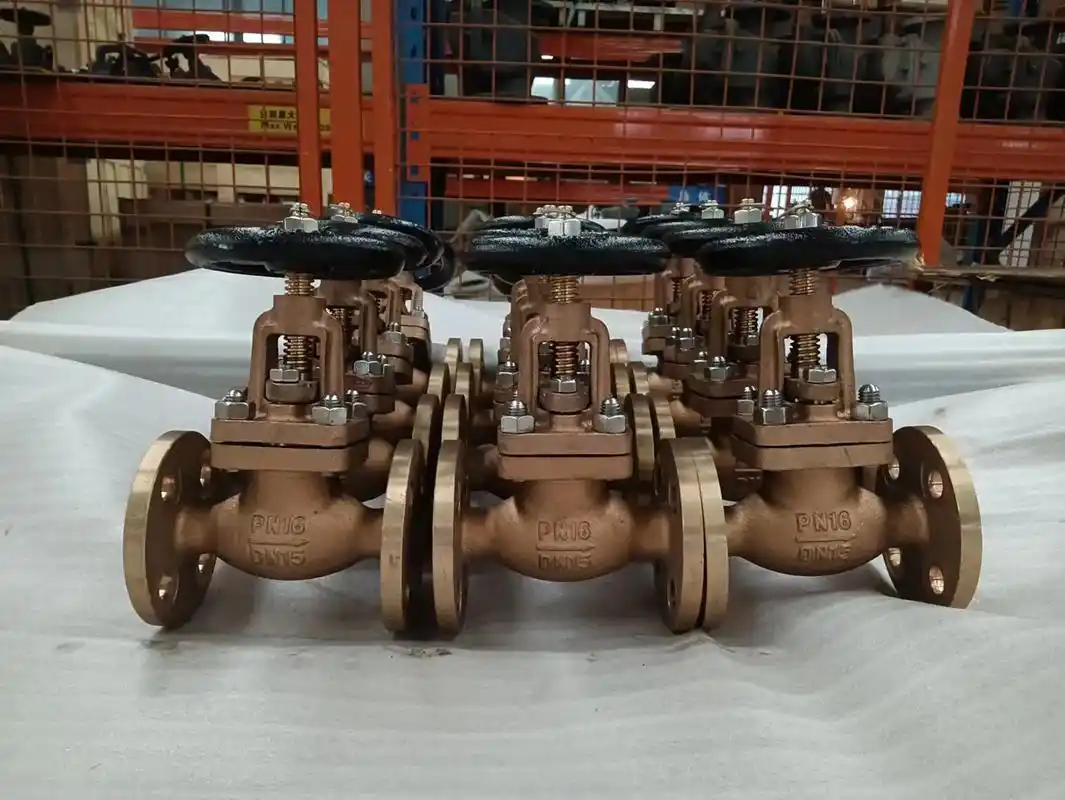
Marine Valves: Engineering Excellence for Maritime ApplicationsMarine valves are critical components in the design and operation of modern maritime systems, ensuring the safe and efficient control of fluids in ships, offshore platforms, and marine infrastructure. As the backbone of fluid dynamics in naval architecture, these valves are engineered to withstand harsh marine environments, including extreme temperatures, high-pressure conditions, and corrosive seawater exposure. This article explores the technical specifications, applications, and innovations in marine valve technology, highlighting their role in advancing global maritime industries. Technical Overview of Marine Valves 1. Types and Specifications Marine valves are categorized based on their function, design, and application. Common types include: Ball Valves: Known for their quarter-turn operation and excellent sealing properties, ball valves are widely used in fuel systems and hydraulic circuits due to their low maintenance and durability. Gate Valves: Designed for on/off control in large-diameter pipelines, gate valves provide minimal flow resistance but are less suitable for throttling. Globe Valves: Ideal for precise flow regulation, globe valves are commonly employed in steam and chemical processing systems aboard ships. Check Valves: Prevent backflow in critical systems such as bilge pumps and fire-fighting equipment. Butterfly Valves: Compact and lightweight, butterfly valves are favored for space-constrained applications like HVAC systems and ballast control. 2. Material Selection Marine valves are constructed from corrosion-resistant materials to endure seawater and chemical exposure. Key materials include: Bronze Alloys: Frequently used in low-pressure systems due to their corrosion resistance and machinability. Stainless Steel: Preferred for high-pressure and high-temperature environments, such as boiler feedwater systems. Duplex Stainless Steel: Combines strength and corrosion resistance, ideal for offshore oil and gas platforms. Nickel Alloys: Utilized in extreme conditions, such as subsea pipelines and cryogenic systems. 3. Design Standards and Certifications Marine valves must comply with international standards, including:
ISO 10438: For offshore drilling and production equipment. DNV GL Standards: Ensuring structural integrity in harsh marine environments. ABS Rules: American Bureau of Shipping guidelines for shipboard equipment. CCS Classification: China Classification Society requirements for Chinese-flagged vessels. Applications in Maritime Engineering Marine valves are integral to a wide range of systems aboard ships and offshore installations: Fuel and Lubrication Systems: Managing diesel, LNG, and lubricants in propulsion and auxiliary engines. Ballast Water Management: Regulating water intake and discharge to maintain vessel stability. Fire Protection Systems: Controlling water and foam delivery in emergency scenarios. Desalination Plants: Facilitating seawater intake and brine discharge in onboard water production systems. Hydraulic and Pneumatic Circuits: Enabling precise control of deck machinery, cranes, and舵机 (rudder systems). Innovations and Research Recent advancements in marine valve technology focus on improving efficiency, safety, and sustainability: 1. Acoustic Performance Optimization A 2019 study published in Ship Science and Technology compared the acoustic performance of marine valves using numerical simulations. The research highlighted that ball valves exhibit superior noise reduction compared to gate and globe valves, making them ideal for reducing acoustic stress in sensitive environments like crew quarters and communication systems (Liu et al., 2019). 2. Smart Valve Controllers Modern marine valves integrate intelligent controllers with IoT capabilities, enabling real-time monitoring of flow rates, pressure, and temperature. These systems enhance predictive maintenance and reduce downtime in long-haul voyages. 3. Subsea Valve Technology For deep-sea oil and gas exploration, subsea valves are designed to operate at depths exceeding 3,000 meters. Innovations include remotely operated actuators and self-lubricating seals to mitigate maintenance challenges. Challenges and Future Trends Corrosion and Fouling: Advanced coatings and self-cleaning mechanisms are being developed to address biofouling in tropical waters. Energy Efficiency: Valve designs are evolving to minimize pressure drops and reduce energy consumption in propulsion systems. Green Maritime Initiatives: Compliance with IMO 2020 sulfur regulations is driving demand for valves compatible with low-sulfur fuels and hybrid propulsion systems. Conclusion Marine valves are indispensable to the safety, efficiency, and sustainability of modern maritime operations. With continuous advancements in materials, design, and smart technologies, the industry is poised to meet the demands of an evolving global shipping sector. As the backbone of fluid control at sea, marine valves remain a focal point for innovation in naval engineering and offshore energy. |