|
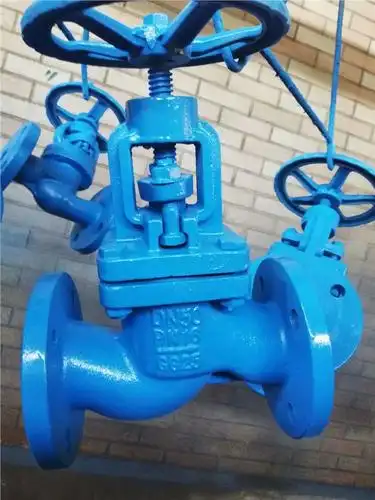
Marine Valves: Engineering Excellence in Maritime SystemsMarine valves are critical components in the maritime industry, designed to regulate fluid flow in shipboard systems while ensuring safety, efficiency, and compliance with stringent maritime standards. These specialized valves are engineered to withstand harsh marine environments, including exposure to saltwater, extreme temperatures, and high-pressure conditions. Their applications span across propulsion systems, fuel management, ballast control, and safety-critical operations such as oil-water separation and emergency shutdowns. Types and Material Innovations Marine valves come in various configurations, each tailored to specific operational requirements: Flanged Bronze Stop Valves: Commonly used for their corrosion resistance and durability in seawater systems (e.g., marine bronze flanged stop valves). Ball Valves: Preferred for their low flow resistance and superior acoustic performance, as demonstrated in studies comparing their noise reduction capabilities against other valve types. Gate Valves: Ideal for on/off control in large-diameter pipelines, often constructed from stainless steel or nickel alloys to resist corrosion. Check Valves: Prevent backflow in critical systems such as fuel lines and fire suppression equipment. Materials like bronze, stainless steel, and specialized alloys are selected based on their ability to endure chloride-induced corrosion, biofouling, and mechanical stress. For instance, bronze valves are frequently specified for seawater applications due to their proven longevity in saline environments. Applications in Maritime Engineering Marine valves are integral to multiple systems: Propulsion and Power Generation: Regulating coolant and fuel flow in diesel engines and steam turbines. Ballast Water Management: Controlling water intake and discharge to maintain vessel stability and comply with international regulations. Safety Systems: Facilitating emergency shutdowns in oil-water separators and fire protection networks. Chemical and Hydrocarbon Processing: Enabling precise flow control in offshore platforms and chemical tankers. Technological Advancements Recent innovations have enhanced the performance and reliability of marine valves: Intelligent Controllers: Modern systems integrate smart controllers with communication interfaces to optimize valve operation, monitor wear, and predict maintenance needs. Acoustic Performance Optimization: Numerical simulations (e.g., CFD analysis using Fluent) have shown that ball valves exhibit superior noise reduction compared to gate or globe valves, minimizing vibration-related damage in ship structures. Hydraulic Actuators: High-torque hydraulic actuators ensure precise control in dynamic marine conditions, such as heavy sea states or rapid pressure fluctuations. Standards and Certifications To ensure safety and interoperability, marine valves must comply with global standards:
IMO (International Maritime Organization): Guidelines for pollution prevention and safety. DNV GL and Lloyd’s Register: Classification society requirements for material testing and operational validation. ISO 15867: Specifications for valve design and manufacturing processes. Challenges and Future Trends The maritime industry faces evolving demands, including: Green Shipping Initiatives: Development of valves for LNG (liquefied natural gas) and hydrogen fuel systems. Digitalization: Integration with IoT-enabled monitoring systems for real-time performance tracking. Sustainability: Use of eco-friendly materials and coatings to reduce environmental impact. Conclusion Marine valves are the backbone of safe and efficient maritime operations. From traditional bronze flanged designs to cutting-edge smart systems, their evolution reflects advancements in materials science, computational modeling, and automation. As the industry embraces decarbonization and digital transformation, marine valve technology will continue to play a pivotal role in shaping the future of global shipping. |