|
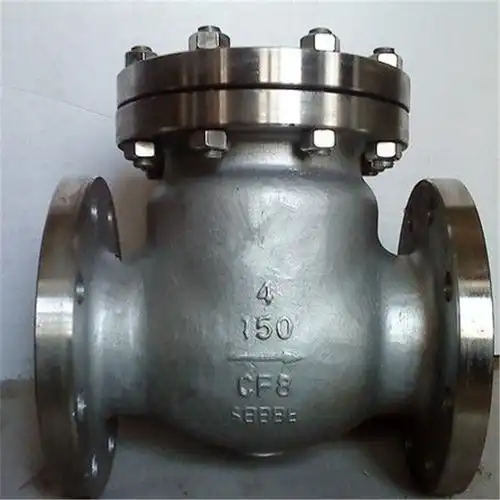
Marine Valves: The Cornerstone of Modern Maritime EngineeringMarine valves are indispensable components in the maritime industry, serving as critical regulators of fluid flow, pressure, and direction within shipboard systems. Engineered to operate under extreme environmental conditions—ranging from high salinity and corrosive seawater to fluctuating temperatures and dynamic mechanical stress—these valves ensure the safety, efficiency, and compliance of vessels worldwide. From propulsion and ballast control to refrigeration and emergency shutdown systems, marine valves are foundational to the seamless operation of maritime infrastructure. Comprehensive Classification and Applications Marine valves are categorized based on their design, function, and material composition, each tailored to specific operational demands. Key types include: Seawater System Valves Sea Chest Valves (通海阀): Control the intake of seawater for cooling and ballast systems. Deck Drainage Valves (甲板排水阀): Manage surface water runoff to prevent flooding. Hull Drainage Valves (舷侧排水阀): Regulate water discharge from below-deck compartments. Refrigeration and HVAC Valves Thermostatic Expansion Valves (热力膨胀阀): Regulate refrigerant flow in cold storage ships. Evaporator Pressure Regulating Valves (蒸发压力调节阀): Maintain optimal pressure in refrigeration cycles. Suction Pressure Regulating Valves (吸气压力调节阀): Ensure stable operation of compressors. Cargo and Safety Valves Cargo Oil Valves: Control the transfer of crude oil or refined products in tankers. Isolation Valves (隔离阀): Segment pipelines for maintenance or emergency shutdowns. Safety Valves: Protect high-pressure systems (e.g., boilers, LNG tanks) from overpressure events. Specialized Designs Butterfly Valves: Lightweight and compact, ideal for space-constrained applications. Gate Valves: Provide full-flow control in large-diameter pipelines. Check Valves (止回阀): Prevent backflow in fuel lines and fire suppression systems. Material Innovations: Bronze Alloys: Standard for seawater applications due to corrosion resistance. Stainless Steel and Duplex Alloys: Used in aggressive chemical environments (e.g., LNG carriers). Advanced Coatings: Epoxy or PTFE linings enhance durability against biofouling and abrasion. Critical Applications in Maritime Systems Marine valves are integral to diverse systems across vessels and offshore platforms:
Propulsion and Power Generation Regulate coolant and fuel flow in diesel engines, gas turbines, and steam systems. Ballast Water Management Compliant with the IMO Ballast Water Management Convention (BWM 2004), these valves ensure safe water exchange to prevent invasive species. Emergency and Safety Systems Facilitate rapid shutdowns in oil-water separators, fire protection networks, and gas-tight compartments. Cargo and Tanker Operations Enable precise flow control of liquids (e.g., crude oil, LNG) and gases, ensuring leakage prevention and operational safety. Refrigeration and HVAC Maintain temperature and pressure in cold storage ships and passenger vessels, critical for food preservation. Technological Advancements and Industry Trends Recent innovations have redefined marine valve performance, driven by sustainability goals and digital transformation: Smart Valve Systems Integration with IoT-enabled monitoring allows real-time diagnostics, predictive maintenance, and remote control. Example: Hydraulic actuators with torque feedback sensors optimize operation in rough sea conditions. Acoustic and Structural Optimization Computational Fluid Dynamics (CFD) simulations (e.g., ANSYS Fluent) minimize noise and vibration, reducing structural fatigue. Green Shipping Solutions Development of valves for LNG, hydrogen, and ammonia fuel systems to align with IMO 2030/2050 emissions targets. Digital Twin Technology: Virtual modeling enables stress testing and lifecycle optimization of valves under extreme conditions. Compliance with Global Standards IMO Guidelines: MARPOL Annex I regulates oil discharge control. DNV GL and Lloyd’s Register: Certify materials and designs for harsh marine environments. ISO 15867: Specifies sealing mechanisms and thread standards (e.g., NPT, BSPP). Challenges and Future Directions The maritime industry faces evolving challenges, prompting innovation in valve technology: Environmental Regulations Adoption of valves for zero-emission fuels (e.g., hydrogen, ammonia) to meet IMO 2030/2050 targets. Digitalization and Automation Integration with ship automation systems (e.g., DNV GL’s Smart Ships Framework) for enhanced efficiency. Resilience in Extreme Conditions Development of valves for Arctic shipping and deep-sea exploration, capable of withstanding sub-zero temperatures and ultra-high pressures. Sustainability and Recycling Use of recyclable alloys and eco-friendly coatings to reduce environmental impact. Conclusion Marine valves are the backbone of modern maritime engineering, bridging traditional design principles with cutting-edge technology. From bronze-seawater valves to smart IoT-integrated systems, their evolution reflects the industry’s commitment to safety, sustainability, and operational excellence. As global shipping transitions toward decarbonization and digitalization, marine valves will remain pivotal in shaping a resilient and environmentally responsible maritime future. |