|
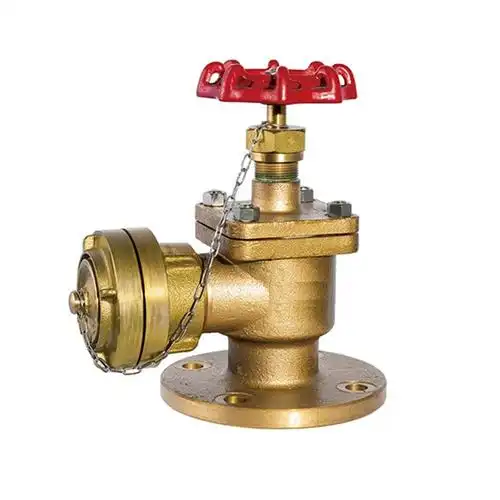
Marine Valves: Engineering Excellence for Maritime ApplicationsMarine valves are critical components in the design, operation, and maintenance of maritime systems, ensuring the safe and efficient control of fluid flow in ships, offshore platforms, and other marine infrastructure. These specialized valves are engineered to withstand harsh marine environments, including exposure to saltwater corrosion, high-pressure conditions, and dynamic mechanical stresses. Below is a comprehensive overview of marine valves, their classifications, materials, applications, and technological advancements. 1. Types of Marine Valves Marine valves are categorized based on their function, design, and operational requirements. Key types include: Ball Valves: Known for their quarter-turn operation and excellent sealing capabilities, ball valves are widely used in marine systems due to their durability and low maintenance. A 2019 study highlighted their superior acoustic performance compared to other valve types, making them ideal for noise-sensitive environments. Gate Valves: These linear motion valves are employed for on/off control in large-diameter pipelines, such as those in ballast water systems or fuel lines. Globe Valves: Designed for precise flow regulation, globe valves are commonly used in systems requiring frequent adjustments, such as steam or chemical processing units. Check Valves: Prevent backflow in pipelines, ensuring unidirectional fluid movement. They are critical in pump discharge lines and bilge systems. Butterfly Valves: Compact and lightweight, butterfly valves are suitable for applications like HVAC systems and ventilation ducts. Globe and Angle Valves: Used in high-pressure scenarios, these valves are often found in propulsion systems and boiler feedwater circuits. 2. Materials and Corrosion Resistance Marine valves are manufactured from materials that resist corrosion and mechanical wear in saline and high-humidity environments. Common materials include: Marine Bronze: A popular choice for smaller valves due to its corrosion resistance and cost-effectiveness. Stainless Steel (316L, 2205 Duplex): Used in aggressive chemical environments and high-temperature systems. Nickel-Based Alloys (e.g., Inconel, Hastelloy): Ideal for extreme conditions, such as offshore oil and gas platforms. Polymer Coatings: Applied to valve surfaces to enhance resistance to seawater and biofouling. The selection of materials is guided by standards such as ISO 17292, DNV GL, and ABS, which ensure compliance with maritime safety and durability requirements.
3. Applications in Maritime Systems Marine valves are integral to various shipboard and offshore systems, including: Propulsion Systems: Controlling fuel, lubricant, and cooling water flow in engines. Ballast Water Management: Regulating water intake and discharge to maintain ship stability. Fire Protection Systems: Isolating or directing water flow in emergency scenarios. Oil and Gas Processing: Managing hydrocarbon fluids in offshore drilling rigs. HVAC and Ventilation: Regulating air and condensate flow in climate control systems. For example, Marine Valves & Hydraulic Actuators (a leading manufacturer) emphasizes the use of automated valves in modern vessels to improve operational efficiency and reduce human error. 4. Technological Innovations Recent advancements in marine valve technology focus on automation, reliability, and sustainability: Smart Controllers: Integrated sensors and communication interfaces (e.g., IoT-enabled systems) allow real-time monitoring of valve performance and predictive maintenance. High-Performance Seals: Advanced sealing technologies, such as PTFE-graphite composites, minimize leakage risks in high-pressure environments. Energy Efficiency: Designs optimized for reduced flow resistance and lower energy consumption. Environmental Compliance: Development of valves that meet IMO regulations for emissions reduction and ballast water treatment. A notable innovation is the Marine Valves Intelligent Controller, which combines controller and communication interface design to enhance system integration and fault diagnostics. 5. Market Trends and Leading Manufacturers The global marine valves market is driven by the expansion of offshore energy projects, stricter environmental regulations, and the modernization of naval fleets. Key players in the industry include: VAT (Germany): Specializes in high-pressure valves for offshore applications. Marotta Controls (USA): Provides precision valves for aerospace and marine systems. SOYTEKNIK (Turkey): Focuses on hydraulic and pneumatic valves for ships. MARINE VALVES (Global): A diversified manufacturer of valves for oil-water separators and chemical processing. According to a 2023 market report, the Asia-Pacific region is experiencing rapid growth due to increased shipbuilding activity in China, Japan, and India. 6. Challenges and Future Outlook Despite their importance, marine valves face challenges such as: Corrosion and Fouling: Requires ongoing research into corrosion-resistant materials and coatings. Maintenance Costs: High-pressure and high-salinity environments demand frequent inspections. Regulatory Compliance: Adapting to evolving international standards for emissions and safety. The future of marine valves will likely involve greater integration with digital systems (e.g., AI-driven predictive maintenance) and the adoption of sustainable materials to align with global decarbonization goals. Conclusion Marine valves are indispensable to the safety, efficiency, and longevity of maritime operations. From traditional bronze flanged stop valves to cutting-edge smart controllers, the industry continues to evolve in response to technological and environmental demands. As the maritime sector embraces automation and sustainability, marine valves will remain at the forefront of innovation, ensuring the reliability of global shipping and offshore industries. |