|
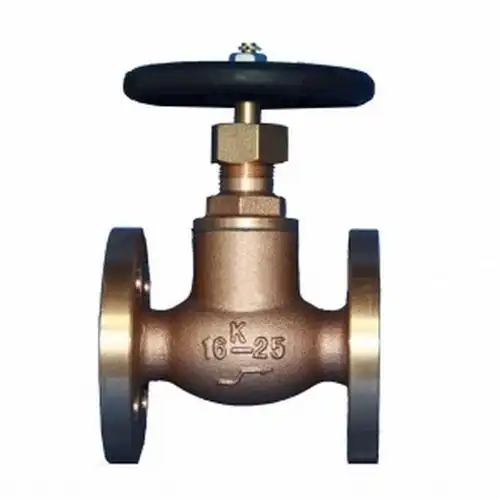
Marine Valves: The Cornerstone of Modern Maritime EngineeringMarine valves are indispensable components in the design, operation, and maintenance of maritime systems. These specialized valves are engineered to withstand the harsh conditions of marine environments, ensuring the safe and efficient control of fluid flow in vessels ranging from commercial ships to naval fleets. This article explores the technical specifications, applications, and industry trends surrounding marine valves, emphasizing their role in modern ship engineering. 1. Types and Applications of Marine Valves Marine valves are categorized based on their function, design, and application within ship systems. Key types include: Marine Bronze Flanged Stop Valves: Commonly used for regulating water and steam flow in ship pipelines. Their bronze construction offers corrosion resistance, a critical feature in saltwater environments. Ball Valves: Known for their superior acoustic performance and minimal flow resistance, ball valves are widely adopted in fuel and hydraulic systems. Studies (e.g., Liu et al., 2019) highlight their effectiveness in reducing flow-induced noise compared to other valve types. Gate Valves: Ideal for on/off control in larger-diameter pipelines, such as those in ballast or fire suppression systems. Globe Valves: Used for precise flow regulation in chemical processing units and engine cooling systems. Applications: Marine valves are integral to systems such as: Fuel and Lubrication Systems: Ensuring reliable operation of marine engines. Ballast and Bilge Systems: Managing water displacement for stability and safety. Steam and Condensate Systems: Supporting power generation and heat exchange. Hydraulic Systems: Enabling actuation of rudders, thrusters, and deck equipment. 2. Design and Performance Considerations Marine valves must meet stringent standards to function reliably in challenging maritime conditions. Key design factors include: Material Selection: Copper Alloys (e.g., bronze, admiralty brass) resist corrosion and biofouling. Stainless Steel is preferred for high-pressure or high-temperature applications. Duplex and Super Duplex Steels are used in aggressive chemical environments. Acoustic Performance: Research by Liu et al. (2019) demonstrates that ball valves outperform globe and gate valves in minimizing flow noise, a critical factor in reducing structural vibrations and improving crew comfort. Sealing Mechanisms: Advanced sealing technologies, such as PTFE (polytetrafluoroethylene) gaskets and metal-to-metal seals, ensure leak-proof operation under dynamic loads. Actuation Systems: Marine valves are often equipped with hydraulic actuators, pneumatic actuators, or electric drives for remote or automated control. These systems must operate reliably even in extreme temperatures and humidity.
3. Industry Trends and Market Dynamics The marine valve industry is evolving to meet demands for sustainability, efficiency, and digital integration. Key trends include: Material Innovation: The adoption of lightweight composites and corrosion-resistant alloys (e.g., Inconel, Hastelloy) is growing to enhance durability while reducing weight. Smart Valve Technologies: Integration of IoT-enabled sensors and controllers allows real-time monitoring of valve performance, predictive maintenance, and energy optimization. Regulatory Compliance: Marine valves must adhere to international standards such as ISO 15088, DNV GL, and ABS guidelines. Environmental regulations (e.g., IMO 2020) also drive the development of valves for low-emission fuel systems, including LNG and hydrogen. Market Growth: According to 2023 market reports, the global marine valve industry is projected to grow at a CAGR of 4.5% through 2029, driven by demand in offshore energy, cruise ships, and green shipping initiatives. Key players like VAT, KüHME, and Marine Valves Ltd. are leading innovation in this sector. 4. Challenges and Future Directions Despite advancements, the marine valve industry faces challenges such as: Corrosion and Fouling: Saltwater exposure remains a persistent issue, requiring ongoing R&D in surface treatments and coatings. Customization Needs: Vessels with unique operational requirements (e.g., ice-class ships, LNG carriers) demand tailored valve solutions. Digitalization: The shift toward smart ships necessitates seamless integration of valves with automated control systems. Future developments will likely focus on AI-driven predictive maintenance, additive manufacturing (3D printing) for complex valve geometries, and sustainable materials to align with global decarbonization goals. Conclusion Marine valves are vital to the safety, efficiency, and compliance of modern maritime operations. As the industry advances, innovations in materials, acoustics, and digital technologies will continue to shape the evolution of these critical components. For engineers, manufacturers, and operators, staying abreast of these trends is essential to maintaining a competitive edge in the global marine sector. |