|
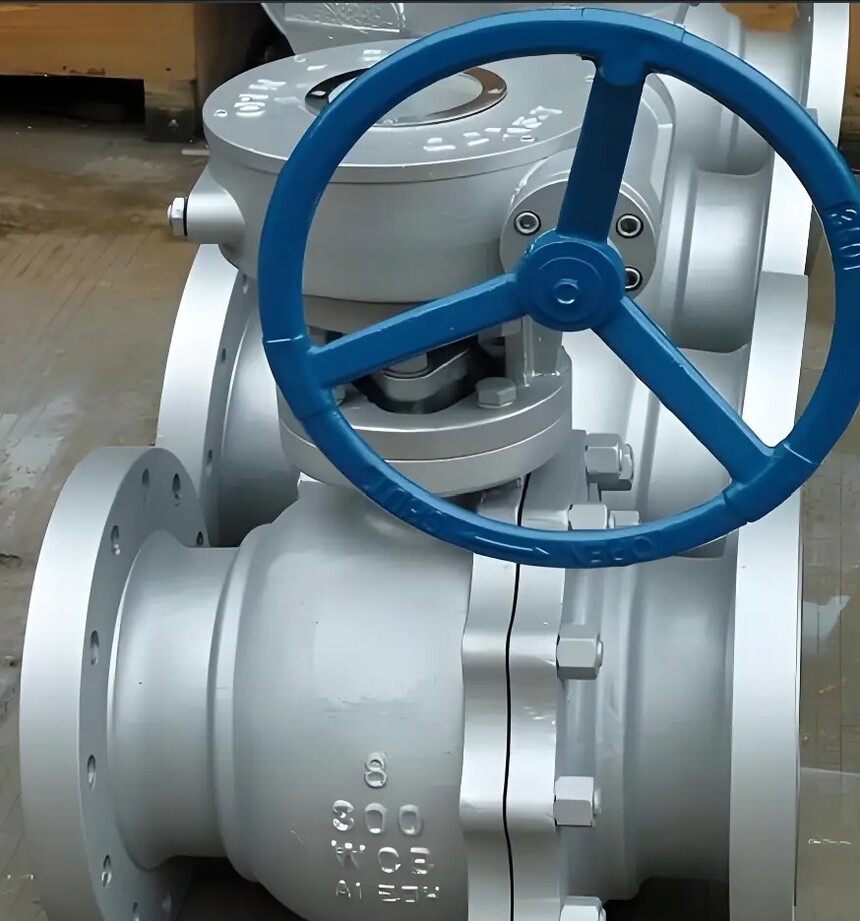
Industrial Valves: Essential Components for Modern IndustriesMarine valves are critical components in the design, operation, and safety of modern maritime systems. As essential elements in fluid control, they regulate the flow of liquids, gases, and other media within shipboard piping systems, ensuring efficiency, reliability, and compliance with international maritime standards. This article explores the technical intricacies, applications, and innovations in marine valve engineering, emphasizing their role in advancing sustainable and high-performance maritime technologies. 1. Definition and Classification of Marine Valves Marine valves are specialized mechanical devices engineered to withstand the harsh conditions of marine environments, including high salinity, pressure fluctuations, and dynamic loads. They are categorized based on function, design, and application: Gate Valves: Used for on/off control in low-frequency operations, ideal for fully open or closed states. Globe Valves: Provide precise flow regulation, commonly used in systems requiring frequent adjustments. Ball Valves: Known for their quarter-turn operation and minimal pressure drop, offering superior acoustic performance (as highlighted in studies by Liu et al., 2019). Butterfly Valves: Lightweight and compact, suitable for large-diameter pipelines and rapid shut-off needs. Check Valves: Prevent backflow in critical systems like fuel lines and bilge pumps. Hydraulic Actuators: Integrated with valves for automated control in complex systems such as propulsion and ballast management. Each type is tailored to specific operational demands, balancing factors like flow dynamics, corrosion resistance, and maintenance accessibility. 2. Key Functions and Applications Marine valves serve diverse roles across ship systems: Fuel and Lubrication Systems: Regulating high-viscosity fluids in engines and turbines. Ballast and Bilge Systems: Managing water displacement to maintain stability and prevent flooding. Hull Piping and Fire Protection: Ensuring rapid response in emergency scenarios. HVAC and Ventilation: Controlling air flow and temperature in enclosed spaces. Offshore and Subsea Operations: Withstanding extreme pressures in oil and gas extraction. Their integration into systems like oil-water separators and heat exchangers underscores their importance in environmental compliance and energy efficiency.
3. Technical Challenges and Innovations Marine valve engineering faces unique challenges: Corrosion Resistance: Advanced materials like stainless steel, duplex alloys, and nickel-based composites are employed to combat seawater degradation. Acoustic Performance: Numerical simulations (e.g., CFD-based analysis in Ship Science & Technology, 2019) reveal that ball valves outperform others in reducing flow-induced noise, a critical factor in crew comfort and equipment longevity. Automation and Smart Controls: Integration with IoT-enabled sensors and actuators allows real-time monitoring and predictive maintenance, aligning with Industry 4.0 trends. Environmental Standards: Compliance with IMO regulations (e.g., MARPOL Annex I) drives innovations in zero-leakage designs and energy-efficient actuation. 4. Industry Trends and Future Directions The marine valve sector is evolving to meet global sustainability goals and technological advancements: Digital Twin Technology: Virtual modeling of valve systems for predictive analytics and lifecycle optimization. Additive Manufacturing: 3D-printed components for complex geometries and reduced material waste. Hybrid Power Systems: Valves designed for hydrogen and LNG (liquefied natural gas) infrastructure in decarbonization efforts. AI-Driven Design: Machine learning algorithms optimizing valve geometry for maximum efficiency and minimal environmental impact. 5. Conclusion Marine valves represent a cornerstone of maritime engineering, bridging mechanical precision with environmental stewardship. As the shipping industry transitions toward smarter, greener operations, the role of advanced valve technologies will only grow in significance. By leveraging cutting-edge research, rigorous testing, and adherence to international standards, the marine valve sector continues to set benchmarks for innovation and reliability in global maritime infrastructure. |