|
-
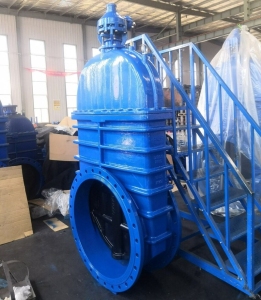
In the petrochemical sector, where operations involve hazardous chemicals, extreme temperatures, and high-pressure environments, the reliability and safety of industrial valves are non-negotiable. Among the various valve types, gunmetal seat gate valves have emerged as a cornerstone solution, praised for their explosion-proof capabilities and exceptional wear resistance. This article explores why these valves are indispensable in petrochemical applications and how their design features enhance o
-
In industrial fluid control systems, gate valves play a critical role in regulating flow and isolating sections of pipelines. Among the diverse materials used for valve construction, gunmetal (a type of copper alloy) and cast iron stand out due to their durability, corrosion resistance, and cost-effectiveness. This article provides a detailed comparative analysis of the performance characteristics of gunmetal seat gate valves and cast iron valves, highlighting their strengths, limitations, and i
-
In the maritime industry, valves are the unsung heroes ensuring safety, efficiency, and compliance across diverse vessel types. While a 100,000-ton oil tanker and a luxury cruise ship may both navigate oceans, their operational environments, regulatory requirements, and functional priorities create stark contrasts in valve selection. This guide explores how vessel purpose, fluid systems, and industry standards shape valve requirements for these two maritime giants.1. Operational Environments and
-
The deep sea, a realm of extreme pressure, darkness, and corrosive environments, poses unprecedented challenges to maritime engineering. Among the critical components ensuring the safety and reliability of deep-sea navigation systems, marine valves stand as the safety locks that withstand the harsh conditions of the abyss. This article delves into the technical innovations and material advancements enabling marine valves to resist high-pressure corrosion, safeguarding deep-sea operations.The Aby
-
The exploration and development of deep-sea oil and gas resources represent one of the most technically demanding frontiers in marine engineering. As global energy demands escalate and shallow-water reserves dwindle, the industry is increasingly reliant on advanced technologies to unlock subsea resources located at depths exceeding 1,500 meters. Marine valves, though often overlooked, play a critical role in addressing the multifaceted challenges of deep-sea operations, including extreme pressur
|
|
 E-MAIL