|
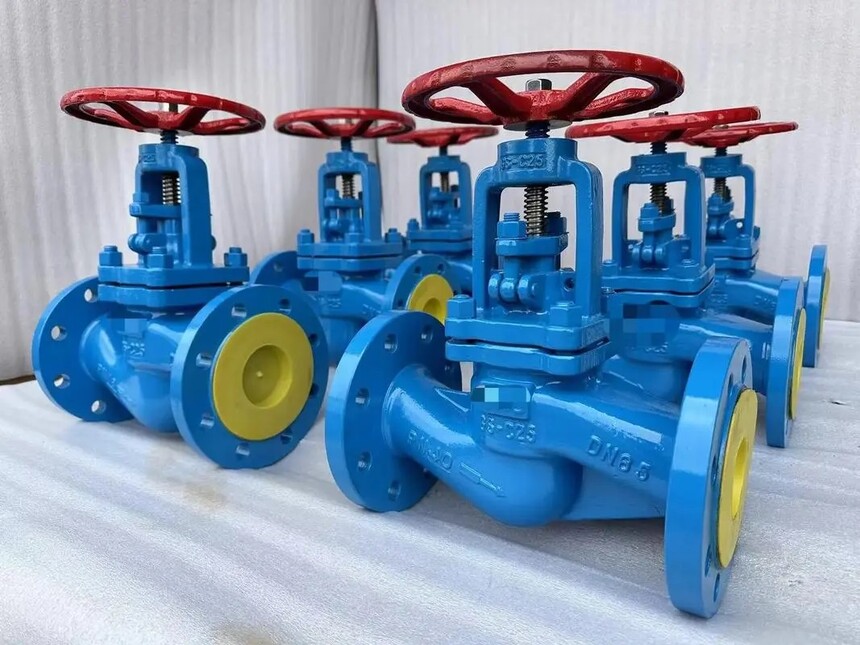
Marine Valves: Key Components Ensuring Safety and Efficiency in Sea NavigationIn the vastness of the ocean, every sailing vessel embodies the结晶 (essence) of human wisdom and technology. Within this colossal mechanical system, marine valves serve as vital components connecting, controlling, and protecting various fluid systems. Their performance and reliability are directly linked to the safe operation and operational efficiency of ships. This article delves deeply into the importance, types, material selection criteria, and maintenance strategies of marine valves, aiming to provide valuable reference information for maritime industry professionals and valve manufacturers, while optimizing this content for Google search engine requirements. I. The Importance of Marine ValvesMarine valves are widely used in critical areas such as ship power systems, fire-fighting systems, cargo oil systems, and ballast water systems. They are responsible for regulating the flow rate, pressure, and direction of fluids (such as water, oil, steam, gases, etc.), ensuring the proper functioning of each system. In emergencies, such as fires or collisions, marine valves are crucial for rapidly isolating hazardous areas and preventing accident escalation. Therefore, selecting high-quality, stable-performance marine valves is essential for safeguarding crew life, reducing environmental pollution, and maintaining the economic viability of ship operations. II. Types of Marine ValvesMarine valves come in a wide variety, classified based on function and structure into several main categories:
Additionally, there are ball valves, butterfly valves, gate valves, and more, each with specific application scenarios and advantages.
III. Material Selection Criteria for Marine ValvesMarine valves operate in complex and variable environments, enduring extreme conditions such as high pressure, strong corrosion, vibration, and impact. Therefore, material selection is crucial. Commonly used materials include:
Material selection should also consider valve compatibility, cost-effectiveness, and long-term maintenance convenience. IV. Maintenance Strategies for Marine ValvesRegular inspection and maintenance are key to extending the service life of marine valves and ensuring their proper function. The following measures are recommended:
By adhering to these strategies, the reliability and lifespan of marine valves can be significantly enhanced, contributing to safer and more efficient maritime operations. |