Marine valves are indispensable components in the maritime industry, ensuring the safe and efficient operation of vessels, offshore platforms, and subsea systems. Whether you’re a ship operator, engineer, or maritime professional, understanding marine valves is crucial for optimizing performance and safety. This article provides a detailed overview of marine valves, including their types, applications, and maintenance best practices, all tailored to meet your needs and align with SEO best practices for maximum visibility on Google.
What Are Marine Valves?
Marine valves are mechanical devices designed to control the flow of liquids, gases, or slurries in marine environments. They regulate pressure, temperature, and flow direction in critical systems such as fuel lines, ballast tanks, HVAC units, and fire suppression systems. Unlike standard valves, marine valves are engineered to withstand harsh conditions, including saltwater corrosion, high pressure, and extreme temperatures.
Key Types of Marine Valves
Gate Valves
Function: Used for on/off control in large-diameter pipelines.
Application: Ideal for systems requiring minimal flow resistance, such as seawater intake lines.
Advantages: Low pressure drop, durable, and suitable for full-flow applications.
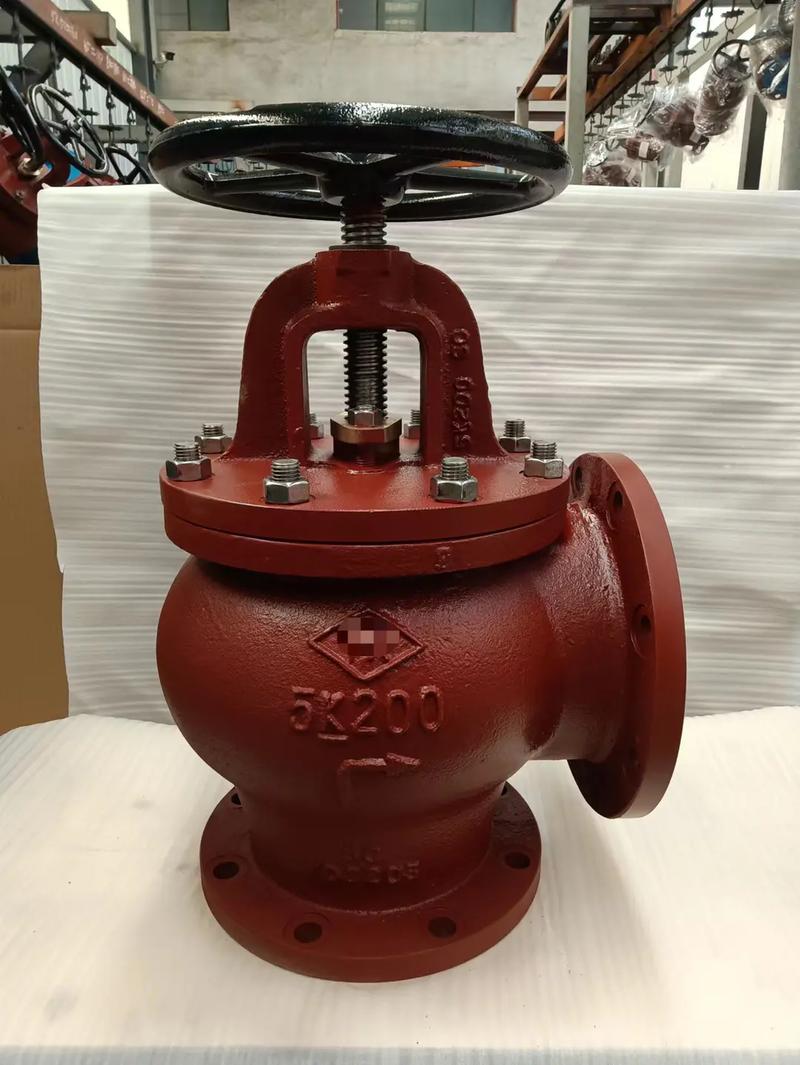
Globe Valves
Function: Regulate flow with precise control.
Application: Commonly used in steam systems and fuel oil lines.
Advantages: Excellent throttling capabilities and leak-tight seals.
Ball Valves
Function: Quick shut-off mechanism for high-pressure systems.
Application: Emergency shutdown systems (ESDs) and cargo transfer lines.
Advantages: Fast operation, low maintenance, and long service life.
Check Valves
Function: Prevent backflow in pipelines.
Application: Pump discharge lines and bilge systems.
Advantages: Automatic operation and reliable flow direction control.
Butterfly Valves
Function: Compact design for space-constrained areas.
Application: HVAC systems and ventilation ducts.
Advantages: Lightweight, cost-effective, and easy to install.
Safety Relief Valves
Function: Release excess pressure to prevent system damage.
Application: Boiler systems and high-pressure hydraulic circuits.
Advantages: Critical for safety compliance and system protection.
Why Marine Valves Matter
Marine valves are vital for:
Safety: Preventing leaks and overpressure scenarios.
Efficiency: Optimizing fuel consumption and system performance.
Compliance: Meeting international maritime regulations (e.g., ISO, API).
Durability: Resisting corrosion and wear in saltwater environments.
For example, a malfunctioning valve in a ship’s ballast system could lead to instability or catastrophic failure. Regular inspection and maintenance are essential to avoid such risks.
How to Choose the Right Marine Valve
Assess System Requirements
Determine the type of fluid, pressure, temperature, and flow rate.
Consider environmental factors like saltwater exposure and vibration.
Material Selection
Stainless Steel: Corrosion-resistant for seawater applications.
Brass: Suitable for low-pressure systems.
Duplex Steel: Ideal for high-pressure and high-corrosion environments.
Size and Compatibility
Certifications
Marine Valve Maintenance Tips
Regular Inspections
Check for leaks, corrosion, or wear during routine maintenance.
Use ultrasonic testing for hidden defects in critical valves.
Lubrication
Cleaning
Testing
Documentation
Common Applications of Marine Valves
| Application | Valve Type | Key Benefits |
|---|
| Fuel Oil Systems | Globe/Butterfly | Precise flow control, corrosion resistance |
| Ballast Water Management | Ball/Check | Prevent backflow, automate operations |
| Fire Suppression Systems | Gate/Safety Relief | Rapid shut-off, high-pressure tolerance |
| HVAC and Ventilation | Butterfly/Check | Space-saving design, energy efficiency |
FAQs About Marine Valves
Q1: How often should marine valves be inspected?
A: Every 6–12 months, depending on usage and environmental conditions. High-risk systems (e.g., ESDs) require more frequent checks.
Q2: Can I replace marine valves with standard industrial valves?
A: No. Marine valves are designed for harsh environments; standard valves may fail due to corrosion or pressure issues.
Q3: What’s the difference between a gate valve and a globe valve?
A: Gate valves are for full-open/close applications, while globe valves offer precise flow regulation.
Q4: How to prevent valve corrosion in saltwater environments?
A: Use stainless steel or duplex alloys, apply anti-fouling coatings, and perform regular descaling.
Conclusion
Marine valves are the backbone of maritime operations, ensuring safety, efficiency, and compliance. By selecting the right valve type, adhering to maintenance best practices, and staying updated on industry standards, you can minimize downtime and optimize performance. Whether designing a new system or upgrading an existing one, investing in high-quality marine valves is a decision that pays off in the long run.
