|
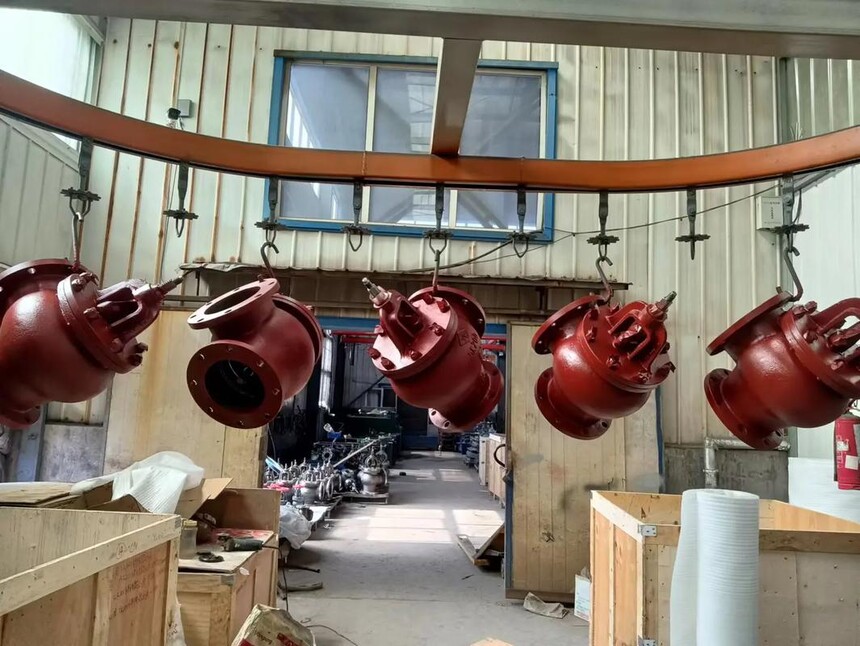
Marine Valves: Essential Components in Shipbuilding and Offshore EngineeringIn the demanding environments of maritime and offshore industries, reliable fluid control is critical for the safe and efficient operation of vessels and platforms. Marine valves play a vital role in managing the flow of liquids and gases throughout various onboard systems, including propulsion, cooling, ballast, fuel delivery, and fire suppression. What Are Marine Valves?Marine valves are specialized components designed to regulate, direct, or control the flow of fluids within piping systems on ships, submarines, offshore rigs, and other marine structures. These valves must meet stringent international standards and be capable of withstanding harsh conditions such as high pressure, extreme temperatures, saltwater corrosion, and constant vibration. Types of Marine ValvesThere are several types of marine valves, each suited to specific applications:
Materials and StandardsMarine valves are typically constructed from durable materials such as stainless steel, bronze, cast iron, ductile iron, or exotic alloys like duplex stainless steel and titanium. These materials ensure resistance to corrosion and erosion caused by seawater exposure. Valves used in marine applications must comply with international classification society standards such as:
Additionally, many valves conform to industry standards like API, ISO, and ASME. Importance in Marine SystemsThe proper functioning of marine valves is essential for:
Regular inspection, maintenance, and replacement of marine valves are crucial to prolonging vessel life and avoiding costly downtime at sea. ConclusionAs integral parts of any marine vessel or offshore platform, marine valves are more than just mechanical components—they are key to operational safety and efficiency. With advancements in material science and valve technology, modern marine valves continue to evolve, meeting the increasing demands of the global shipping and energy sectors. |