|
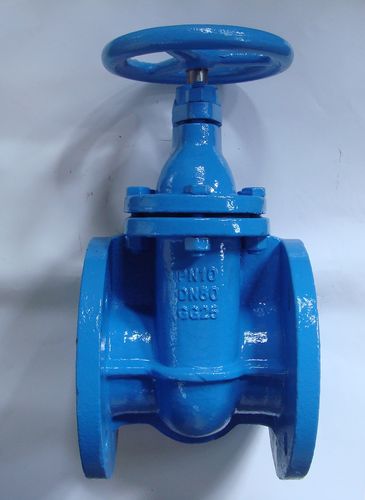
Core Components of the shipbuilding Industry: Analysis of the Key Role of marine valves in the power systemThe shipbuilding industry thrives on precision engineering, with every component playing a critical role in ensuring safety, efficiency, and compliance with global maritime standards. Among these components, marine valves stand as unsung heroes, particularly within the intricate networks of a ship’s power system. These valves regulate fluid dynamics, manage pressure, and prevent catastrophic failures, directly influencing a vessel’s operational reliability and environmental footprint. This article explores the multifaceted role of marine valves in ship power systems, highlighting their technical significance and strategic importance in modern maritime engineering.
1. The Backbone of Power Systems: Marine Valves Explained Marine valves are specialized mechanical devices designed to control the flow of liquids, gases, or slurries within a ship’s pipelines. In power systems—whether steam-driven turbines, diesel engines, or nuclear reactors—valves act as gatekeepers, ensuring precise regulation of steam, fuel, coolant, and lubricants. Their primary functions include: Flow Control: Adjusting the rate of fluid movement to optimize engine performance. Pressure Management: Preventing overpressure scenarios that could damage equipment. Isolation: Cutting off fluid supply during maintenance or emergencies. Directional Regulation: Redirecting fluids between systems (e.g., bypass valves). Without robust valves, power systems would face inefficiencies, safety risks, and shortened equipment lifespans. 2. Critical Applications in Ship Power Systems A. Steam Propulsion Systems In steam-powered vessels, valves regulate boiler output, turbine admission, and condensate return. For example: Globe Valves: Used for throttling steam flow to turbines. Safety Valves: Prevent boiler explosions by releasing excess pressure. Check Valves: Ensure unidirectional steam flow, avoiding backflow into the boiler. B. Diesel Engines Modern ships rely heavily on diesel-electric propulsion, where valves manage fuel injection, cooling, and exhaust systems: Butterfly Valves: Control air intake and exhaust gas recirculation. Ball Valves: Isolate fuel lines during shutdowns or leaks. Pressure Relief Valves: Protect engines from hydraulic lock or overheating. C. Nuclear-Powered Vessels In naval applications, valves handle radioactive coolant circuits with zero margin for error: Bellows-Sealed Valves: Prevent leakage in high-pressure reactor systems. Actuated Valves: Enable remote operation in hazardous zones. 3. Technical Innovations Driving Efficiency The maritime industry’s push for decarbonization and automation has spurred valve technology advancements: Smart Valves: Integrated with IoT sensors to monitor flow rates, pressure, and temperature in real time, enabling predictive maintenance. Corrosion-Resistant Materials: Duplex stainless steel and titanium valves reduce maintenance costs in saltwater environments. 3D-Printed Valves: Custom designs for complex geometries, improving hydraulic efficiency. 4. Compliance with Maritime Regulations Stringent IMO (International Maritime Organization) regulations, such as the Ballast Water Management Convention and Sulphur Cap 2020, mandate valves that prevent pollution. For instance: Ballast Water Valves: Ensure zero discharge of invasive species via sealed, automated systems. Exhaust Gas Scrubber Valves: Control seawater flow in emission-reduction systems. 5. Maintenance and Reliability Challenges Marine valves operate in harsh conditions (vibration, salt spray, extreme temperatures), making regular maintenance essential: Non-Destructive Testing (NDT): Ultrasonic or dye-penetrant inspections detect cracks without disassembly. Seat Tightness Testing: Ensures zero leakage under high pressure. Actuator Upgrades: Electric or hydraulic actuators replace manual systems for faster response times. 6. Future Trends: Sustainability and Digitalization The shift toward green shipping is reshaping valve design: Hydrogen-Ready Valves: High-pressure valves for future hydrogen fuel cells. Additive Manufacturing: Rapid prototyping of lightweight, corrosion-proof valves. AI-Driven Diagnostics: Machine learning algorithms predict valve failures before they occur. Conclusion: The Silent Guardians of Maritime Power Marine valves are indispensable to the shipbuilding industry, acting as the nervous system of power generation and distribution. Their evolution—from rudimentary mechanical devices to IoT-enabled, eco-friendly components—mirrors the industry’s broader push for efficiency, safety, and sustainability. As maritime power systems grow more complex, investments in advanced valve technology will remain pivotal to staying competitive in a rapidly changing global market. |