|
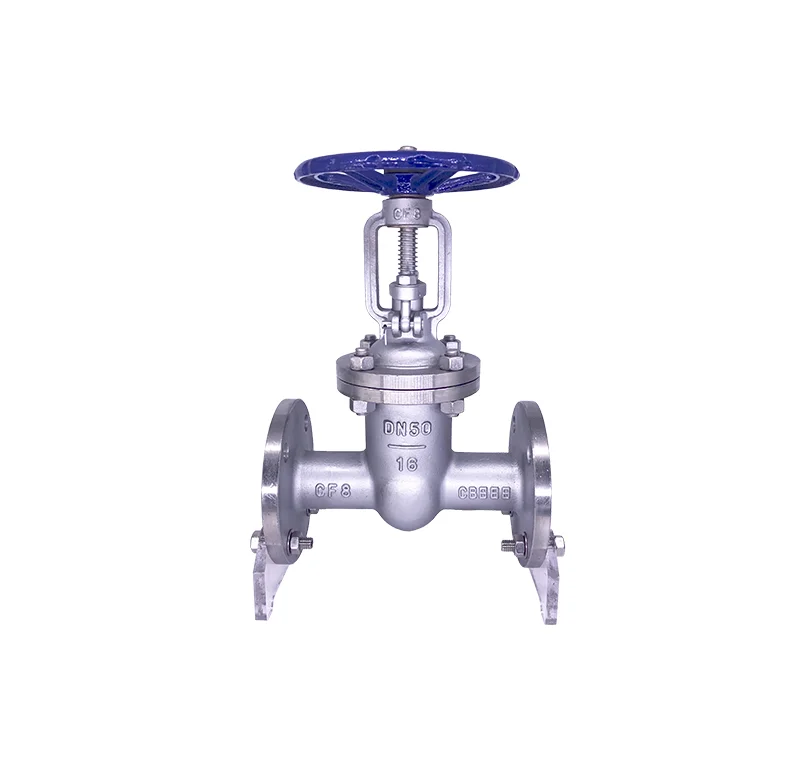
Marine Valves: Critical Components in Ship SystemsMarine valves, also known as marine valves, are essential components in the piping systems of ships and offshore structures. Designed to meet the unique environmental challenges of maritime operations, these valves control the flow of fluids (such as seawater, fuel, and coolant) by regulating pressure, flow rate, and direction. Their role is critical in ensuring the safety, efficiency, and reliability of ship systems. Below is an overview of marine valves, their types, applications, and key considerations in their design and selection. Definition and Purpose Marine valves are specialized devices engineered to withstand harsh marine environments, including corrosion from saltwater, vibration, and extreme temperatures. They are used to manage the flow of liquids and gases in critical ship systems such as: Cooling systems for engines and machinery. Ballast water systems to stabilize the vessel. Firefighting systems for emergency response. Fuel and lubrication systems for propulsion and auxiliary equipment. Seawater intake and discharge systems for pumps and heat exchangers. For example, seawater valves are specifically designed to handle the corrosive nature of seawater, often incorporating materials like bronze, stainless steel, or engineered plastics. Types of Marine Valves Marine valves come in various designs to suit different operational needs: Gate Valves Used for on/off control in large-diameter pipelines. Low flow resistance but slower to operate. Globe Valves Ideal for flow regulation and throttling. Commonly used in systems requiring precise pressure control. Ball Valves Provide quick shut-off with excellent sealing properties. Suitable for high-pressure applications. Butterfly Valves Compact and lightweight, used in space-constrained areas. Efficient for controlling large volumes of fluid. Check Valves Prevent backflow in systems like seawater pumps and fuel lines. Types include swing check and lift check valves. Quick-Closing Valves (QCVs) Designed for emergency shutdowns, such as in fuel lines to prevent leaks during accidents. Hydraulic and Pneumatic Actuators Enable remote or automated control of valves in complex systems. Key Applications Ship Engineering Marine valves are integral to propulsion systems, cargo handling, and HVAC (heating, ventilation, and air conditioning). For instance, marine bronze flanged stop valves are used in freshwater and seawater systems. Offshore and Subsea Operations Subsea valves manage oil and gas flow in deep-sea pipelines. Marine hydraulic control balance valves ensure stability in such environments. Desalination Plants Seawater valves regulate the intake and output of water in desalination units. Pneumatic aluminum bronze butterfly valves are commonly used in small-scale shipboard desalination systems. Emergency Systems Marine quick-closing valves and firefighting valves are critical for safety during emergencies. Material Selection and Corrosion Resistance Given the corrosive nature of seawater and the mechanical stresses on ships, marine valves are constructed from durable, corrosion-resistant materials:
Metals: Bronze, stainless steel (304/316), duplex steel, and nickel alloys. Plastics: PTFE (polytetrafluoroethylene) and nylon for non-metallic components. Sealing Materials: Fluorocarbon rubber (FKM), silicone, and EPDM (ethylene propylene diene monomer) for gaskets and seals. For example, JIS F7301 bronze globe valves are widely used in marine applications due to their durability and resistance to seawater corrosion. Standards and Certifications Marine valves must comply with international standards to ensure reliability and safety: JIS (Japanese Industrial Standards): For Japanese-built ships and equipment. DIN (Deutsches Institut für Normung): German standards for valve design and performance. BS (British Standards) and ANSI (American National Standards Institute): Common in Western shipbuilding. ABS, DNV, and Lloyd’s Register: Classification societies that certify marine equipment for compliance with safety regulations. Recent Innovations Smart Valve Controllers Advanced controllers integrate IoT (Internet of Things) technology for real-time monitoring and predictive maintenance. Multi-Functional Valves Patents like the multi-functional metering valve developed by Fujian Marine Valve Technology Co., Ltd., combine flow regulation and anti-backflow features to enhance measurement accuracy. Eco-Friendly Manufacturing 3D printing technologies, such as Canon’s MARV 3D printers, enable low-noise, energy-efficient production of valve components. Conclusion Marine valves are indispensable in modern maritime engineering, ensuring the safe and efficient operation of ships and offshore platforms. From traditional bronze valves to cutting-edge smart systems, their design and application continue to evolve to meet the demands of a dynamic industry. As technology advances, the focus on durability, automation, and environmental sustainability will remain central to the development of marine valve solutions. By adhering to global standards and leveraging innovative materials and manufacturing techniques, marine valve manufacturers play a pivotal role in supporting the growth of the shipping and offshore energy sectors. |