|
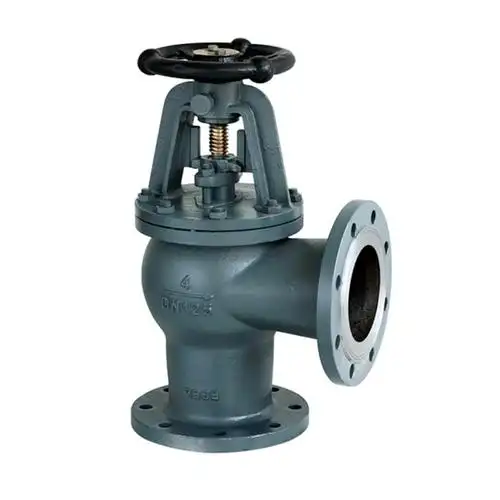
Marine Valves: Engineering Excellence for Maritime ApplicationsMarine valves are critical components in the design and operation of ships, offshore platforms, and other maritime systems. Engineered to withstand harsh marine environments, these valves play a pivotal role in regulating fluid flow, ensuring safety, efficiency, and compliance with international maritime standards. This article explores the technical specifications, applications, and innovations in marine valves, emphasizing their importance in modern maritime engineering. 1. Overview of Marine Valves Marine valves are specialized mechanical devices designed to control the flow of liquids, gases, or slurries in shipboard systems. They are constructed from corrosion-resistant materials such as bronze, stainless steel, or duplex alloys to endure exposure to saltwater, high pressure, and fluctuating temperatures. Key types include: Ball Valves: Known for their quarter-turn operation and minimal flow resistance, ideal for on/off control in fuel and ballast systems. Gate Valves: Used for isolation in large-diameter pipelines, offering a tight seal for critical applications like engine cooling systems. Globe Valves: Provide precise flow regulation in steam and chemical processing systems. Check Valves: Prevent backflow in pumps and pipelines, ensuring unidirectional flow integrity. Butterfly Valves: Compact and lightweight, suitable for space-constrained areas like HVAC systems. 2. Applications in Maritime Systems Marine valves are indispensable across a range of shipboard and offshore applications: Fuel and Lubrication Systems: Managing the flow of heavy fuel oil, diesel, and lubricants in engines and generators. Ballast and Bilge Systems: Regulating water intake and discharge to maintain ship stability and prevent contamination. Steam and Heat Exchangers: Controlling thermal energy transfer in boilers and condensers. Firefighting Systems: Ensuring rapid deployment of water or foam in emergency scenarios. Offshore Oil & Gas Platforms: Facilitating the safe handling of hydrocarbons in drilling and production operations. 3. Technical Challenges and Innovations Marine valves must address unique challenges:
Corrosion Resistance: Advanced coatings (e.g., nickel alloys) and sacrificial anodes mitigate seawater-induced degradation. Acoustic Performance: As highlighted in 2019 research, ball valves demonstrate superior noise reduction in turbulent flow conditions compared to globe or gate valves. Automation and Control: Integration with smart controllers enables real-time monitoring and remote operation via IoT-enabled systems. Regulatory Compliance: Adherence to standards such as ISO 15085 (welding), API 6A (wellhead equipment), and DNV GL (classification societies) ensures reliability and safety. 4. Market Landscape and Leading Manufacturers The global marine valve market is driven by demand from shipbuilding, offshore energy, and environmental protection sectors. Key players include: VAT and KüHME: Pioneers in hydraulic and pneumatic valve solutions for offshore applications. Marotta Controls and Johnson Valves: Specializing in high-precision valves for naval and commercial vessels. Marine Valves Ltd.: A leader in custom-engineered solutions for oil-water separators and cargo handling systems. According to 2023 industry reports, the Asia-Pacific region dominates production, with China, Japan, and South Korea leading in manufacturing capacity. 5. Future Trends and Sustainability The marine valve industry is evolving toward: Energy Efficiency: Low-friction designs and reduced pressure drops to optimize fuel consumption. Digitalization: Predictive maintenance systems using AI and machine learning to detect valve wear or leaks. Green Technologies: Valves designed for LNG (liquefied natural gas) and hydrogen systems to support decarbonization goals. Circular Economy: Recyclable materials and modular designs to reduce waste and extend product lifecycles. Conclusion Marine valves are the backbone of safe and efficient maritime operations. As the industry faces stricter environmental regulations and the demand for smarter, more sustainable solutions grows, manufacturers and engineers must continue innovating to meet these challenges. By combining advanced materials, digital integration, and rigorous testing, marine valves will remain indispensable in safeguarding the future of global shipping and offshore industries. For further insights into marine valve technologies and applications, consult industry standards or contact specialized suppliers like Marine Valves Ltd. and VAT for tailored solutions. |