|
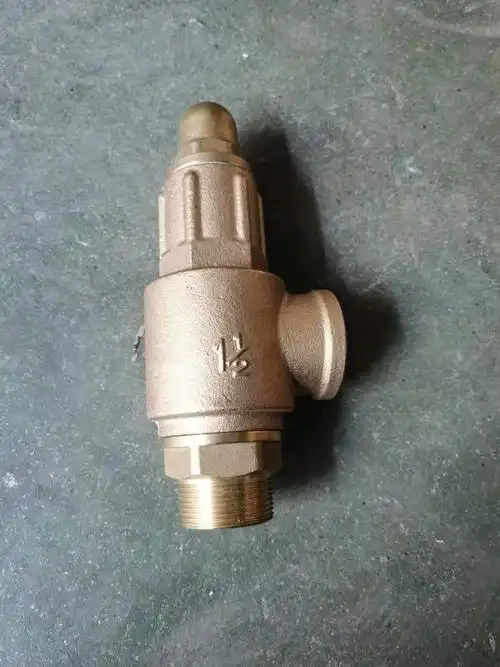
Marine Valves: Engineering Excellence in Naval Architecture and Fluid SystemsMarine valves are critical components in the design and operation of maritime vessels and offshore structures. These specialized valves are engineered to withstand the harsh conditions of marine environments, including corrosion resistance, high-pressure fluid dynamics, and exposure to saltwater. Their role in controlling the flow of liquids, gases, and multiphase fluids is indispensable for the safety, efficiency, and reliability of shipboard systems. Classification and Technical Characteristics Marine valves are categorized based on their design, function, and operational requirements: Ball Valves: Known for their superior acoustic performance, ball valves are widely used in systems requiring minimal flow resistance and noise reduction. A 2019 study by Liu et al., published in Ship Science and Technology, demonstrated that ball valves outperform other types in mitigating flow-induced noise through numerical simulations of fluid dynamics. Flanged Bronze Stop Valves: Commonly employed in ship piping systems, these valves combine durability with precision control. Their flanged design ensures secure connections in high-pressure environments. Hydraulic Actuated Valves: Integrated with hydraulic actuators, these valves enable automated control in critical applications such as emergency shutdown systems and fuel management. Applications in Marine Engineering Marine valves are integral to diverse systems, including: Oil-Water Separators: Essential for compliance with MARPOL regulations, these systems rely on valves to manage hydrocarbon and water separation. Chemical and Hydrocarbon Processing Equipment: Valves regulate fluid flow in cargo tanks, heat exchangers, and pumps, ensuring safe handling of volatile substances. Propulsion and Auxiliaries: From engine cooling circuits to steam turbines, valves maintain optimal performance in propulsion systems. Material Innovation and Design Standards Modern marine valves are constructed from corrosion-resistant materials such as bronze, stainless steel, and nickel alloys. Design standards like ISO 15087 and API 600 ensure compliance with international maritime regulations. For instance, bronze flanged valves are preferred in seawater systems due to their resistance to biofouling and cavitation.
Market Landscape and Key Players The global marine valve market is driven by demand from shipping, offshore energy, and defense sectors. Leading manufacturers include Marine Valves Ltd., KüHME, and VAT, which specialize in tailored solutions for naval applications. Market reports indicate that hydraulic and pneumatic valves dominate the sector, with significant growth projected in regions like Asia-Pacific and the Middle East. Future Trends and Challenges Advancements in smart valve technology are reshaping the industry. Intelligent controllers, integrating IoT and real-time monitoring, enhance predictive maintenance and system efficiency. However, challenges such as acoustic noise optimization and material fatigue in extreme conditions remain focal points for R&D. Conclusion Marine valves embody the intersection of engineering precision and environmental resilience. As maritime industries evolve toward greener and more automated operations, the role of innovative valve design in ensuring operational safety and regulatory compliance will only grow in significance |