|
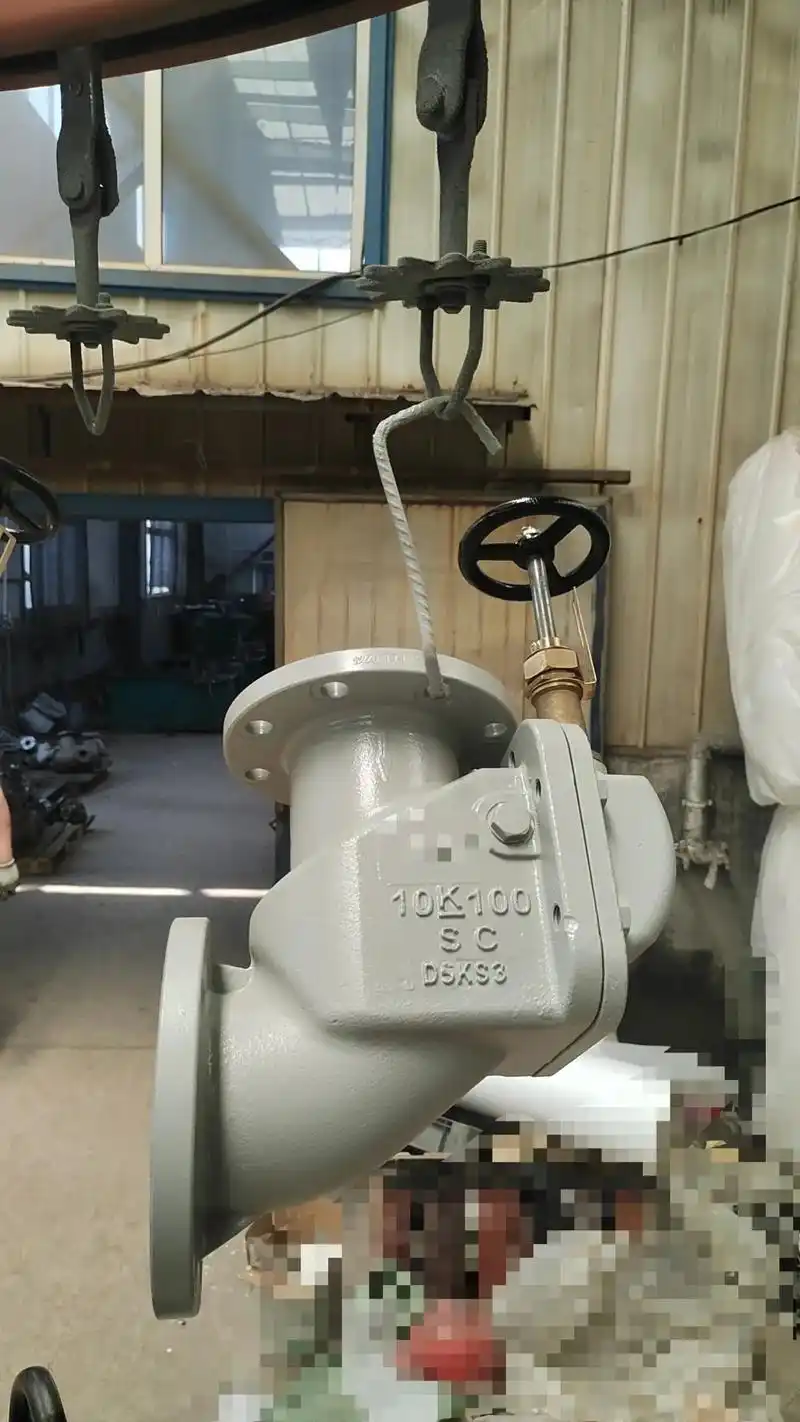
Marine Valves: Engineering Excellence for Maritime ApplicationsMarine valves are indispensable components in the design and operation of maritime systems, ensuring the safety, efficiency, and reliability of ships, offshore platforms, and submersible infrastructure. These specialized devices are engineered to withstand the harsh conditions of marine environments, including extreme pressures, corrosion from saltwater, and dynamic mechanical stresses caused by vessel motion. This article provides a comprehensive overview of marine valves, their types, technical challenges, industry standards, and future innovations, emphasizing their critical role in modern maritime engineering. 1. Definition and Core Functions Marine valves are mechanical devices designed to regulate the flow of liquids, gases, or slurries in shipboard and offshore systems. As defined by the International Shipping Encyclopedia, they are "equipment that meets shipboard environmental conditions to control pressure, flow rate, and fluid direction in piping systems." Their primary functions include: Flow Regulation: Adjusting flow rates in pipelines for fuel, seawater, steam, or chemical transfer. Isolation: Shutting off sections of a system for maintenance or emergency scenarios. Pressure Control: Managing pressure differentials to prevent overloads and ensure system stability. Safety Compliance: Meeting international maritime standards (e.g., ISO, API, and classification society requirements). 2. Types of Marine Valves and Applications Marine valves are categorized based on design, function, and material compatibility. Key types include: a. Globe Valves Design: Linear motion valves with a disc and seat mechanism. Use: Precision flow control in systems like engine cooling and fuel oil lines. Material: Corrosion-resistant alloys (e.g., bronze, stainless steel). b. Ball Valves Design: Quarter-turn valves with a spherical disc. Use: Rapid shutoff in high-pressure systems, such as firefighting or bilge pumping. Acoustic Performance: Studies (e.g., Liu et al., 2019) highlight their superior noise reduction compared to other valve types. c. Gate Valves Design: Linear motion with a rising stem and gate. Use: Full-flow applications in large-diameter pipelines, such as seawater intake systems. d. Check Valves Design: Automatic valves preventing backflow. Use: Installed in pump discharge lines to avoid reverse flow and system damage. e. Butterfly Valves Design: Disc-shaped closure element for compact installations. Use: Cost-effective solutions for low-pressure systems like HVAC or ventilation. f. Specialized Valves Seawater Intake Valves (通海阀): Control the intake of seawater for cooling or ballast systems. Deck Drainage Valves (甲板排水阀): Manage water drainage from ship decks. Refrigeration System Valves: Include thermal expansion valves and pressure regulators for refrigeration units. Safety Valves: Protect high-pressure systems (e.g., boilers, cargo tanks) from overpressure.
3. Technical Challenges and Innovations Marine valves must address unique challenges posed by maritime environments: a. Corrosion Resistance Materials: Advanced alloys (e.g., nickel-based or titanium) and protective coatings (e.g., epoxy or Teflon) combat saltwater corrosion. Standards: Compliance with ISO 10606 ensures durability in marine conditions. b. Acoustic Performance Noise Reduction: Research by Liu et al. (2019) demonstrates that ball valves exhibit lower flow-induced noise compared to globe or gate valves, making them preferable in sensitive systems. Design Optimization: Computational fluid dynamics (CFD) simulations refine internal flow paths to minimize turbulence and noise. c. Smart Valve Systems Integration: Modern valves incorporate intelligent controllers for real-time monitoring, remote operation, and predictive maintenance. Communication Protocols: Integration with IoT platforms enables data-driven decision-making for fleet management. 4. Industry Standards and Certifications To ensure reliability and safety, marine valves must adhere to rigorous international standards: ISO 10606: Specifies requirements for marine valves, including pressure ratings and leakage testing. API 600/602: Guidelines for valve design, materials, and testing in offshore applications. Classifications: Approval from organizations like DNV GL, Lloyd’s Register, or ABS is mandatory for commercial and naval vessels. 5. Future Trends in Marine Valve Engineering The maritime industry is evolving toward sustainability and digitalization, driving innovation in valve technology: Energy Efficiency: Development of low-friction valve designs to reduce energy consumption in propulsion and auxiliary systems. Digital Twins: Virtual replicas of valves for predictive maintenance and performance optimization. Hybrid Systems: Combining hydraulic actuators with electric controls for enhanced precision and reliability. 6. Conclusion Marine valves are foundational to the safe and efficient operation of maritime systems. From traditional designs like globe and gate valves to cutting-edge smart systems, advancements in materials, acoustics, and digital integration continue to redefine their capabilities. By adhering to global standards and embracing innovation, marine valve engineering ensures the resilience of ships and offshore infrastructure in an ever-changing industrial landscape. For engineers and professionals in the maritime sector, staying updated on these developments—through certifications like those offered by Google’s Engineer Certification Program—is essential to maintaining technical excellence and competitiveness. |