|
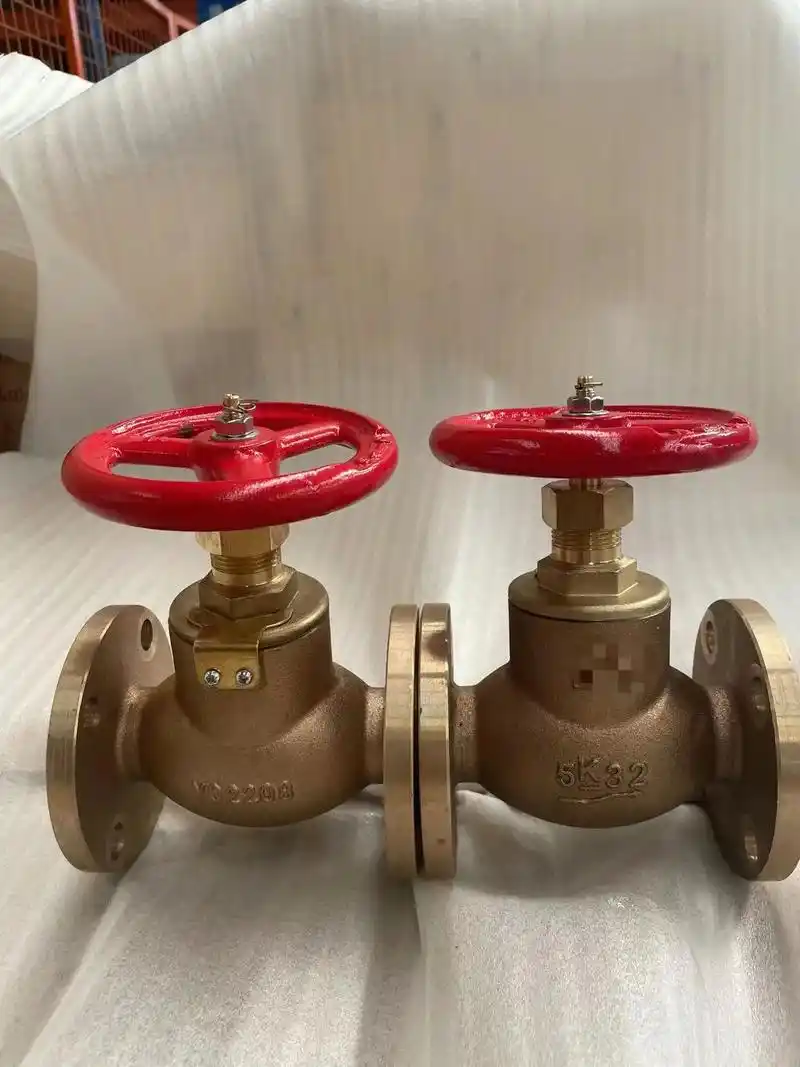
Marine Valves: Engineering Excellence in Maritime ApplicationsMarine valves are critical components in the fluid control systems of ships, offshore platforms, and other marine vessels. They regulate the flow of liquids, gases, and slurries, ensuring the safe and efficient operation of propulsion systems, fuel delivery, ballast management, and HVAC (heating, ventilation, and air conditioning) systems. Given the harsh maritime environment—characterized by high pressure, corrosion, and mechanical stress—marine valves must meet stringent design and performance standards to ensure reliability and longevity. 1. Classification of Marine Valves Marine valves are categorized based on their function, design, and operational requirements: Gate Valves: Used for on/off control in large-diameter pipelines, such as ballast or fuel systems. Their linear motion minimizes pressure drop but is unsuitable for throttling. Ball Valves: Preferred for quick shut-off due to their quarter-turn mechanism. They are compact and resistant to corrosion, making them ideal for seawater and fuel systems. Globe Valves: Designed for precise flow regulation, often used in steam or high-pressure applications like boiler feed systems. Butterfly Valves: Lightweight and cost-effective, these are employed in low-pressure systems such as HVAC or ventilation. Check Valves (Non-Return Valves): Prevent backflow in systems like bilge pumps or engine cooling circuits. Safety/Relief Valves: Protect systems from overpressure, a critical function in boiler and hydraulic systems. Each type is engineered to withstand specific challenges, such as saltwater corrosion, vibration, and temperature fluctuations. For instance, studies using numerical simulations (e.g., Fluent-based analyses) have demonstrated that ball valves outperform other designs in acoustic performance, reducing flow-induced noise—a key consideration in confined marine environments. 2. Key Design Considerations The design of marine valves prioritizes durability, safety, and compliance with international standards: Materials: Stainless steel, bronze, and nickel alloys are commonly used for their corrosion resistance. Coatings like epoxy or Teflon further enhance longevity in seawater environments. Sealing Mechanisms: Double-seated or triple-seated designs prevent leakage, while elastomeric seals (e.g., Viton or EPDM) ensure compatibility with aggressive media. Actuation Systems: Manual, electric, pneumatic, or hydraulic actuators enable remote operation, critical for automated systems or hazardous areas. Standards Compliance: Marine valves must adhere to ISO 10434, API 600, or DNV GL guidelines, ensuring interoperability and safety in global maritime operations.
3. Challenges in Marine Valve Applications Corrosion and Fouling: Saltwater exposure accelerates material degradation. Advanced coatings and cathodic protection systems mitigate this risk. Cavitation and Erosion: High-velocity flows in fuel or steam systems can damage valve internals. Flow optimization via CFD (Computational Fluid Dynamics) simulations helps minimize these effects. Maintenance Accessibility: Remote or hard-to-reach valves require modular designs for easy repair, reducing downtime during voyages. 4. Technological Innovations Recent advancements have enhanced marine valve performance: Smart Valves: Integrated sensors monitor pressure, temperature, and flow rates, enabling predictive maintenance via IoT (Internet of Things) connectivity. 3D Printing: Custom valve components with complex geometries (e.g., internal flow channels) are now feasible, reducing weight and improving efficiency. AI-Driven Design: Tools like Google Scholar’s Gemini model assist in analyzing research papers to optimize valve configurations, as seen in studies comparing acoustic performance across valve types. 5. Future Trends Sustainability: Valves designed for hybrid propulsion systems (e.g., LNG or hydrogen) will gain prominence as the industry shifts toward greener fuels. Digital Twins: Virtual replicas of valves will enable real-time performance analysis and failure prediction. Autonomous Control: AI-powered systems will automate valve operations in unmanned ships or offshore rigs, improving safety and efficiency. Conclusion Marine valves are indispensable to the functionality and safety of maritime systems. Their evolution—from basic mechanical designs to smart, data-driven solutions—reflects the industry’s demand for reliability, efficiency, and sustainability. As research continues (e.g., through platforms like Google Scholar and Google Books), innovations in materials, digitalization, and AI will further redefine the role of marine valves in the next era of naval engineering. |