|
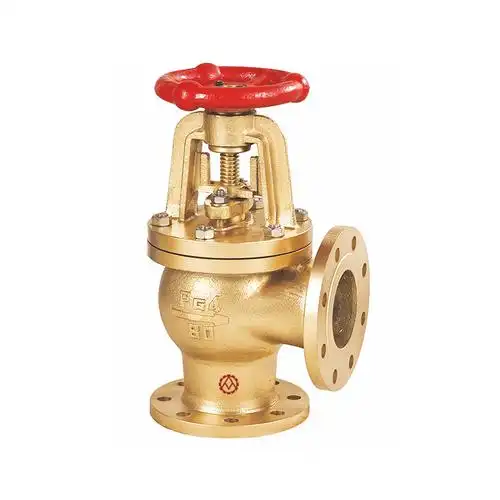
Comparative Analysis of Marine Valves: A Numerical Study on Acoustic PerformanceMarine valves play a critical role in the fluid systems of ships, ensuring the safe and efficient operation of vessels. This study investigates the acoustic performance of different types of marine valves under various operational conditions using numerical simulations. By analyzing flow-induced noise (FAN) and its relationship with valve geometry, the research aims to provide theoretical support for optimizing valve design and selection in maritime engineering. The results indicate that ball valves exhibit superior acoustic performance compared to gate and globe valves, offering significant implications for noise reduction in shipboard systems. 1. Introduction Marine valves are essential components in ship piping systems, regulating fluid flow and pressure while maintaining system integrity. However, their operation can generate flow-induced noise (FAN), which poses challenges to both structural safety and crew comfort. FAN arises from turbulence, vortex shedding, and fluid-structure interactions within the valve’s flow path. Excessive noise not only accelerates material fatigue but also impacts the acoustic environment on board, necessitating rigorous analysis and optimization. This study leverages computational fluid dynamics (CFD) to compare the acoustic performance of three common marine valve types—ball valves, gate valves, and globe valves—under identical flow conditions. The findings aim to guide engineers in selecting valves that minimize noise while maintaining functional efficiency. 2. Methodology 2.1 Valve Geometry and Simulation Setup Three valve types were selected for analysis: Ball valve: Known for its quarter-turn operation and low pressure drop. Gate valve: Linear motion design, often used for isolation purposes. Globe valve: Throttling capabilities with a higher pressure drop. A 3D geometric model of each valve was created using CAD software, focusing on the internal flow path. The simulations were conducted using ANSYS Fluent, a CFD tool validated for acoustic and fluid dynamics analysis. Key parameters included: Inlet velocity: 2 m/s (representing typical ship system conditions). Fluid: Seawater (density = 1025 kg/m³, viscosity = 1.08 × 10⁻³ Pa·s). Boundary conditions: Steady-state flow with periodic turbulence modeling. 2.2 Acoustic Analysis The Lighthill’s acoustic analogy was employed to compute sound pressure levels (SPL) generated by turbulent flow. The frequency spectrum of noise was analyzed using Fast Fourier Transform (FFT) to identify dominant noise sources.
3. Results and Discussion 3.1 Sound Pressure Levels (SPL) The SPL distribution revealed significant differences among valve types: Ball valves exhibited the lowest SPL (68 dB), attributed to streamlined flow paths and minimal turbulence. Gate valves showed moderate noise (75 dB), with localized turbulence near the gate seat. Globe valves generated the highest SPL (82 dB), due to complex flow separation and recirculation zones. 3.2 Frequency Spectrum Analysis Ball valves dominated at low frequencies (<500 Hz), indicating harmonious flow patterns. Gate and globe valves showed higher energy in mid-to-high frequencies (500–2000 Hz), linked to vortex shedding and mechanical vibrations. 3.3 Design Implications The results suggest that ball valves are optimal for noise-sensitive applications (e.g., passenger ships or offshore platforms). For systems requiring throttling, globe valves remain suitable but should be paired with noise-dampening measures, such as acoustic liners or flow straighteners. 4. Conclusion This study demonstrates the importance of valve geometry in mitigating flow-induced noise in marine systems. Ball valves outperformed other types in acoustic performance, offering a practical solution for reducing noise pollution in ship environments. Future research could explore hybrid designs or advanced materials to further enhance acoustic efficiency. |