|
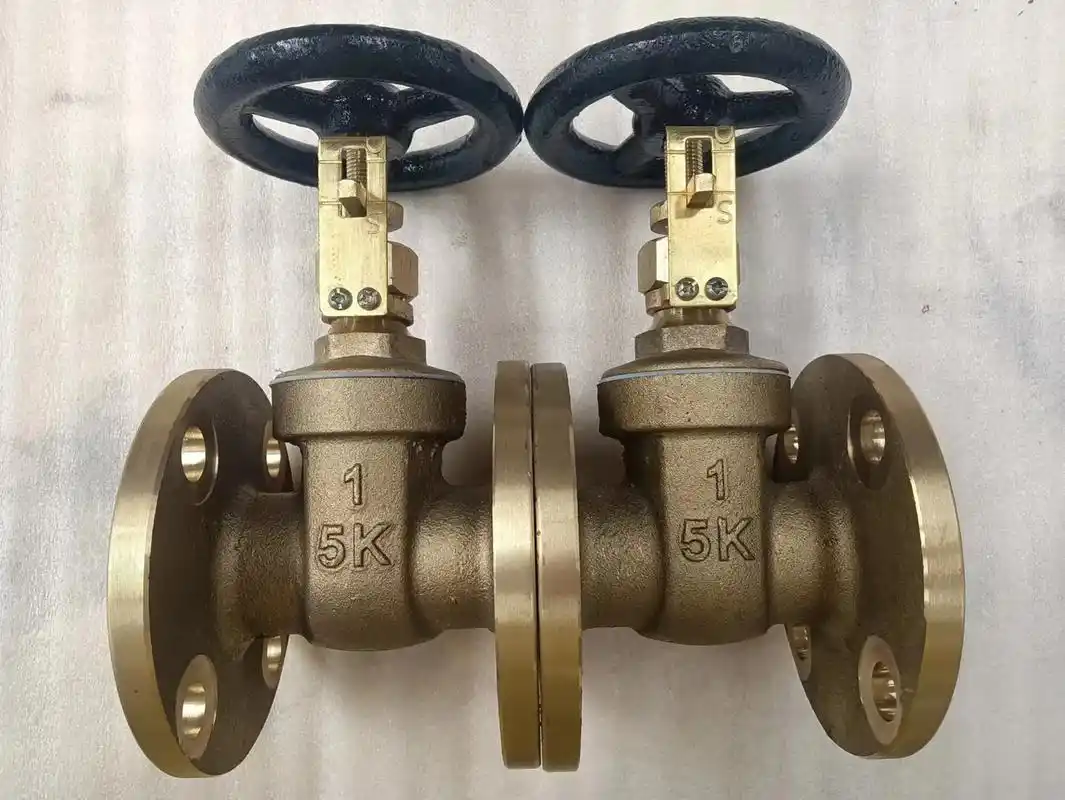
Marine Valves: Critical Components in Maritime EngineeringMarine valves are indispensable components in the maritime industry, playing a pivotal role in controlling fluid flow, regulating pressure, and ensuring system safety across ships, offshore platforms, and subsea infrastructure. Designed to withstand the unique challenges of marine environments—including corrosion, vibration, and extreme temperatures—these valves are engineered to meet stringent international standards and operational demands. This article explores the types, design principles, applications, and technological advancements in marine valves, emphasizing their importance in modern maritime systems. 1. Types and Functional Applications of Marine Valves Marine valves are categorized based on their operational mechanisms, materials, and specific use cases. Common types include: Ball Valves: Known for their quarter-turn operation, ball valves are widely used in fuel systems, seawater intake, and cargo handling due to their durability and minimal maintenance requirements. Gate Valves: Ideal for on/off control in high-pressure pipelines, gate valves are commonly employed in ballast water systems and cargo discharge operations. Globe Valves: Suited for precise flow regulation, globe valves are critical in steam systems, chemical processing units, and engine cooling circuits. Butterfly Valves: Compact and lightweight, butterfly valves are preferred for large-diameter pipelines, such as seawater cooling and fire-fighting systems. Check Valves: Prevent backflow in critical systems like engine lubrication and hydraulic circuits, ensuring unidirectional flow. Safety Valves (e.g., Pressure Relief Valves, Emergency Shutdown Valves): Essential for protecting against over-pressurization and catastrophic failures in fuel, gas, and steam systems. Each type is tailored to specific applications, such as: Ballast Water Management: Compliant with the IMO Ballast Water Management Convention to prevent invasive species transfer. LNG and Fuel Systems: Ensuring safe and efficient handling of liquefied natural gas (LNG) and heavy fuel oil (HFO). Refrigeration and Cryogenic Systems: Controlling flow in low-temperature environments for cargo preservation. 2. Design and Manufacturing Standards Marine valves must adhere to rigorous international standards to ensure reliability and safety in harsh marine environments. Key standards include: ISO 15848: Specifies leakage rates for industrial valves, ensuring tight sealing in critical systems. API 6D: Governs the design and testing of pipeline valves for offshore and subsea applications. ASME B16.34: Defines pressure-temperature ratings for valves used in shipboard systems. DNV GL Guidelines: Focus on fire-safe and hazardous area certifications for valves in oil and gas vessels. CCS/ABS/ Lloyd’s Register Rules: Provide classification society requirements for valve materials, testing, and installation. Manufacturers leverage advanced technologies like computational fluid dynamics (CFD) and finite element analysis (FEA) to optimize valve geometry, reduce flow resistance, and enhance mechanical integrity. For example, CFD simulations help predict turbulence-induced noise and pressure drops, enabling designers to refine valve configurations for improved performance.
3. Material Selection and Corrosion Resistance Marine valves are exposed to saltwater, chemicals, and extreme weather conditions, necessitating corrosion-resistant materials. Common choices include: Stainless Steel (316L, 2205 Duplex): Offers excellent resistance to chloride-induced corrosion and pitting. Bronze and Brass Alloys: Used in low-pressure systems due to their malleability and cost-effectiveness. Nickel Alloys (e.g., Inconel, Hastelloy): Suitable for high-temperature and highly corrosive environments. Coatings and Linings: Epoxy, PTFE, or ceramic coatings are applied to enhance durability in aggressive media. 4. Acoustic and Hydraulic Performance Recent advancements focus on minimizing flow-induced noise and vibration, which can lead to structural fatigue and operational inefficiencies. Studies, such as those by Liu et al. (2019), highlight the acoustic superiority of ball valves over globe and butterfly valves in marine applications. Key innovations include: Noise-Reducing Designs: Optimized valve geometry and internal flow paths to mitigate turbulence. High-Damping Alloys: Materials that absorb vibrational energy, reducing wear and tear. Smart Valve Integration: IoT-enabled sensors monitor acoustic activity and adjust valve positions dynamically to maintain optimal performance. 5. Emerging Trends and Innovations The marine valve industry is evolving to address sustainability, automation, and digitalization: Smart Valves: Equipped with IoT sensors and AI-driven diagnostics, smart valves enable real-time monitoring of flow rates, pressure, and wear conditions. Energy Efficiency: Low-friction designs and variable orifice configurations reduce energy consumption in pumping systems. Environmental Compliance: Development of zero-leakage seals and biodegradable lubricants aligns with IMO regulations on emissions and pollution. Additive Manufacturing: 3D printing allows for rapid prototyping of complex valve geometries, reducing lead times and material waste. 6. Conclusion Marine valves are the backbone of modern maritime engineering, combining robust design, advanced materials, and cutting-edge technology to ensure operational excellence. As the industry shifts toward greener and more automated solutions, the role of marine valves in enhancing safety, efficiency, and environmental stewardship will continue to grow. By adhering to global standards and leveraging innovations in acoustics, digitalization, and sustainable practices, manufacturers and engineers can address the challenges of tomorrow’s marine environments. |