Marine valves are indispensable components in the design and operation of maritime systems, playing a pivotal role in regulating fluid flow, ensuring safety, and optimizing performance across a wide range of marine applications. From cargo ships to offshore platforms, these valves are engineered to withstand harsh environmental conditions, including high pressure, corrosion, and extreme temperatures. This article explores the technical specifications, applications, and advancements in marine valve technology, emphasizing their importance in modern maritime engineering.
Technical Overview of Marine Valves
Marine valves are specialized devices designed to control the flow of liquids, gases, or slurries in shipboard and offshore systems. They are categorized into several types based on their function and design, including:
Ball Valves: Known for their quarter-turn operation and excellent sealing properties, ball valves are widely used in critical systems such as fuel lines and emergency shut-off mechanisms. Their streamlined flow path minimizes pressure drop and reduces flow-induced noise, as highlighted in studies by Liu et al. (2019).
Gate Valves: Ideal for on/off control in large-diameter pipelines, gate valves provide a tight seal and are commonly employed in ballast water management and cargo tank systems.
Globe Valves: Used for throttling and precise flow regulation, globe valves are preferred in systems requiring frequent adjustments, such as steam and hydraulic circuits.
Check Valves: Prevent backflow in pipelines, safeguarding against system failures in bilge pumps and engine cooling circuits.
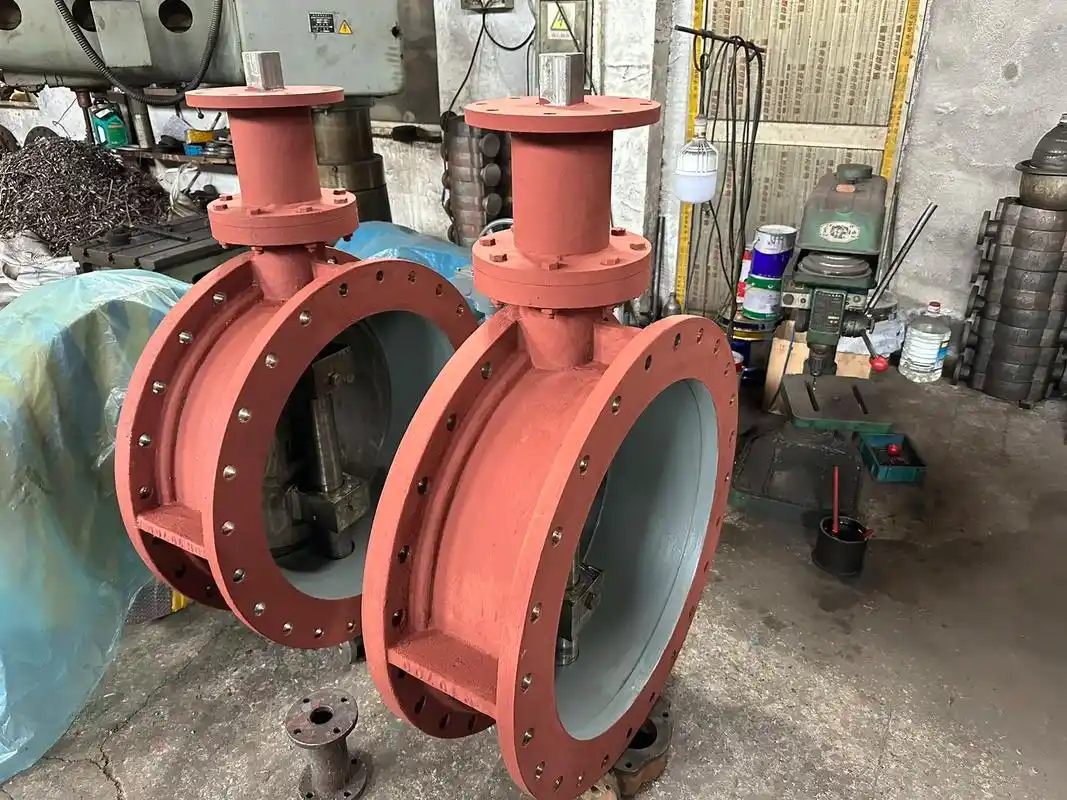
Butterfly Valves: Compact and lightweight, butterfly valves are favored in ventilation systems and low-pressure applications due to their rapid operation and space efficiency.
These valves are typically manufactured from corrosion-resistant materials such as stainless steel, bronze, or specialized alloys to endure seawater exposure and chemical environments. Advanced designs also incorporate anti-fouling coatings and self-cleaning mechanisms to mitigate biofouling and maintenance challenges.
Applications in Maritime Systems
Marine valves are integral to the following critical systems:
Fuel and Lubrication Systems: Regulate the flow of heavy fuel oil, diesel, and lubricants in marine engines, ensuring efficient combustion and reduced emissions.
Ballast Water Management: Enable the controlled intake and discharge of ballast water to maintain vessel stability and comply with international regulations like the Ballast Water Management Convention (BWM 2004).
Hull and Bilge Systems: Manage the drainage of seawater and bilge effluents, preventing structural damage and environmental contamination.
HVAC and Ventilation: Control airflow in ship cabins, engine rooms, and cargo holds, maintaining optimal temperature and humidity levels.
Offshore Oil and Gas Platforms: Facilitate the safe transport of hydrocarbons, including crude oil, natural gas, and refined products, under high-pressure conditions.
In addition, marine valves are essential in hydraulic actuators, which drive critical equipment such as rudder systems, cargo cranes, and mooring winches. Their reliability directly impacts the operational safety and efficiency of maritime vessels.
Design and Manufacturing Standards
The design and production of marine valves adhere to stringent international standards, including:
ISO 17292: Specifies requirements for marine valves used in shipbuilding and offshore industries.
API 600/602: Guidelines for the design and testing of valves in petroleum and petrochemical applications.
DNV GL and Lloyd’s Register: Classification society rules for maritime equipment, ensuring compliance with safety and environmental regulations.
Modern marine valves often integrate smart technologies, such as IoT-enabled sensors and automated actuators, to monitor flow rates, detect leaks, and enable remote control. These innovations enhance predictive maintenance capabilities and reduce downtime.
Challenges and Innovations
Key challenges in marine valve engineering include:
Corrosion and Fouling: Advanced materials and surface treatments (e.g., titanium coatings, epoxy linings) are being developed to extend valve lifespan.
Noise Reduction: Computational fluid dynamics (CFD) simulations, as demonstrated in Liu et al. (2019), optimize valve geometry to minimize flow-induced noise, a critical concern in submarine and luxury yacht applications.
Environmental Compliance: Stricter regulations on sulfur emissions (IMO 2020) and ballast water discharge have driven the development of eco-friendly valve designs.
Recent innovations include:
Digital Twin Technology: Virtual replicas of valves for real-time performance analysis and failure prediction.
3D-Printed Components: Customized valve parts with complex geometries for improved efficiency and reduced material waste.
Energy Recovery Systems: Valves designed to harness pressure differentials for auxiliary power generation.
Conclusion
Marine valves are foundational to the safety, efficiency, and sustainability of maritime operations. As the industry evolves toward greener technologies and digitalization, the role of advanced valve systems will become even more critical. Engineers and manufacturers must continue to prioritize innovation, compliance, and reliability to meet the demands of modern shipping and offshore energy sectors.
