|
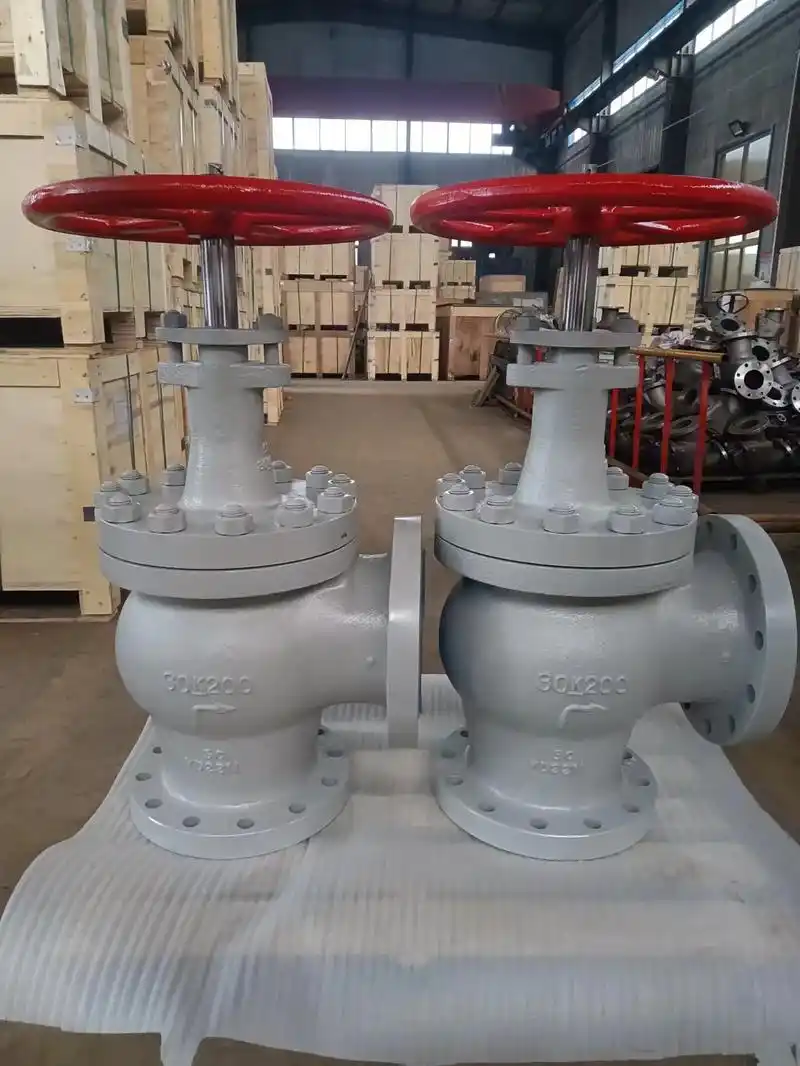
Marine Valves: Essential Components for Safety, Efficiency, and Compliance in Maritime OperationsThe maritime industry relies on advanced engineering solutions to ensure the safety, efficiency, and environmental compliance of ships and offshore structures. Among these critical components, marine valves play a pivotal role in regulating fluid flow, managing pressure, and safeguarding operational integrity. From cargo tankers to LNG carriers and offshore platforms, marine valves are indispensable in maintaining the seamless performance of marine systems. This guide explores the types, applications, and best practices for selecting and maintaining marine valves, while emphasizing their importance in modern maritime engineering. What Are Marine Valves? Marine valves are specialized mechanical devices designed to control the flow of liquids, gases, or slurries in shipboard and offshore systems. Unlike standard industrial valves, marine valves are engineered to withstand harsh marine environments, including saltwater corrosion, extreme temperatures, and high-pressure conditions. They are manufactured to meet international standards such as ISO 15085, ASME, and DNV GL, ensuring durability and reliability in critical applications. Key features of marine valves include: Corrosion-resistant materials (e.g., stainless steel, bronze, or Duplex alloys). Tight sealing mechanisms to prevent leaks in dynamic conditions. Compliance with SOLAS (Safety of Life at Sea) and MARPOL regulations for environmental protection. Customization options for specific vessel requirements (e.g., ballast water management systems, fuel oil lines, or fire suppression systems). Types of Marine Valves and Their Applications Marine valves come in various designs, each tailored to specific functions:
Ball Valves Function: Quick shut-off and low-pressure drop. Applications: Fuel lines, ballast systems, and emergency shutdown systems. Advantage: Durable and easy to operate, ideal for frequent use. Gate Valves Function: Full flow control with minimal resistance. Applications: Main sea water intake, steam systems, and pipeline isolation. Note: Best suited for on/off applications rather than flow regulation. Globe Valves Function: Precise flow modulation. Applications: Steam and condensate systems, where throttling is required. Check Valves (Non-Return Valves) Function: Prevent backflow to avoid system damage or contamination. Applications: Pump discharge lines, fire-fighting systems, and bilge pumps. Butterfly Valves Function: Lightweight, compact design for cost-effective flow control. Applications: HVAC systems, ventilation, and general service lines. Safety/Relief Valves Function: Protect systems from overpressure and thermal expansion. Applications: Boiler systems, pressure vessels, and hydraulic circuits. Specialized Valves LNG Cryogenic Valves: Designed for ultra-low temperatures (-162°C) in liquefied natural gas (LNG) carriers. Ballast Water Treatment Valves: Compliant with IMO Ballast Water Management Convention to prevent invasive species. Why Marine Valves Matter for Ship Operators Safety Compliance: Marine valves ensure adherence to international maritime regulations, reducing the risk of accidents, pollution, and legal penalties. Operational Efficiency: Properly functioning valves minimize downtime, reduce maintenance costs, and optimize energy consumption. Environmental Protection: Advanced valves in ballast water systems and exhaust gas cleaning systems (scrubbers) help vessels meet stringent Emission Control Area (ECA) standards. Cost Savings: High-quality valves extend equipment lifespan and prevent costly repairs from leaks or system failures. |