|
-
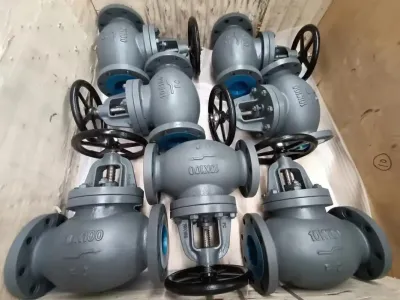
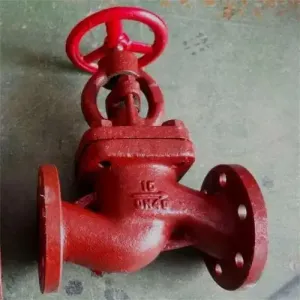
Marine valves; are critical mechanical devices used in maritime applications to control the flow, pressure, and direction of fluids (such as seawater, fuel, steam, or hydraulic oil) within a ship’s systems. These valves ensure the safe and efficient operation of vessels by regulating processes in propulsion, ballast, fire protection, and auxiliary systems. Their reliability is paramount in harsh marine environments, where exposure to saltwater, corrosion, and extreme weather conditions demands robust design and materials.
-
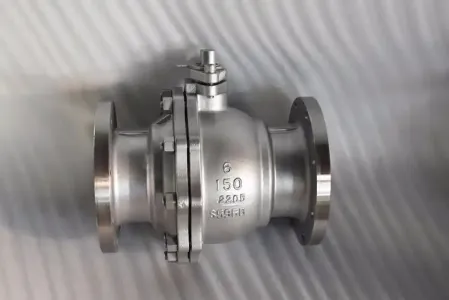
Biogas valves are specialized control devices used in biogas systems. Their primary functions include regulating gas flow, maintaining stable system pressure, and preventing gas leaks. Biogas is a renewable energy source produced by the anaerobic digestion of organic waste materials such as agricultural residues, food waste, and animal manure. It is widely used for power generation, heating, and cooking. To ensure the safe and efficient operation of a biogas system, selecting the right type of valve is essential.
-
Marine valves are critical devices in the maritime industry, serving as the backbone of fluid control systems on ships, offshore platforms, and other marine structures. These valves regulate the pressure, flow rate, and direction of liquids and gases—such as seawater, fuel, steam, and chemicals—within complex piping networks. Designed to withstand harsh marine environments, including corrosion, high pressure, and extreme temperatures, marine valves ensure the safety, efficiency, and reliability of maritime operations.
-
Marine valves are indispensable devices in the maritime industry, serving as critical control mechanisms for fluid flow in ships, offshore platforms, and other marine structures. These valves regulate the pressure, flow rate, and direction of liquids and gases—such as seawater, fuel, steam, and chemicals—within complex piping systems.
-
Marine valves are critical components in the operation of ships, offshore platforms, and maritime infrastructure. These devices regulate the flow of fluids—such as seawater, fuel, steam, and chemicals—through complex piping systems, ensuring the safety, efficiency, and reliability of marine operations. Designed to withstand harsh environments, including high pressure, corrosion, and extreme temperatures, marine valves play a pivotal role in maritime engineering.
|
|
 E-MAIL