|
-
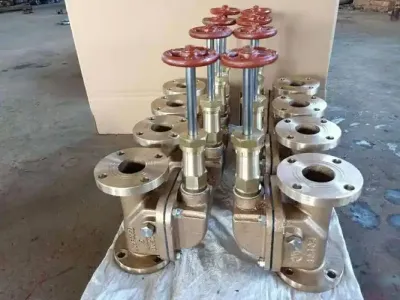
Marine valves; are critical components in the maritime industry, designed to regulate fluid flow within a ship’s piping systems. These devices are engineered to withstand harsh marine environments, including exposure to saltwater, extreme temperatures, and mechanical stress. Their primary role is to control pressure, flow rate, and fluid direction, ensuring the safe and efficient operation of vessels, offshore platforms, and subsea infrastructure.
-
Marine valves, also known as marine valves, are critical components in the maritime industry, designed to control the flow of fluids (such as water, oil, or gas) within a ship’s piping systems. These valves are engineered to withstand harsh marine environments, including exposure to saltwater, extreme temperatures, and mechanical vibrations. Their primary function is to regulate pressure, flow rate, and fluid direction, ensuring the safe and efficient operation of ships and offshore structures.
-
Marine valves, also known as marine valves, are critical components in ship systems designed to control the pressure, flow rate, and direction of fluids within a vessel’s piping network. These valves are engineered to meet the unique environmental and operational demands of maritime applications, ensuring safety, efficiency, and reliability in challenging conditions.
-
Marine valves; are critical components in the maritime industry, designed to regulate the flow, pressure, and direction of fluids within ship systems. These valves operate under extreme conditions—saltwater corrosion, high pressure, and fluctuating temperatures—making them essential for the safety, efficiency, and compliance of vessels ranging from small yachts to massive offshore platforms. This article explores their types, applications, material innovations, and the evolving trends shaping their future.
-
Marine valves; are indispensable mechanical devices designed to regulate the flow, pressure, and direction of fluids within ship systems. Operating under harsh marine conditions—such as saltwater corrosion, high pressure, and extreme temperatures—these valves ensure the safety, efficiency, and reliability of vessels ranging from small yachts to massive tankers and offshore platforms. Their applications span critical systems like propulsion, ballast control, fire protection, and environmental compliance. Below is an in-depth exploration of marine valves, their types, functions, and innovations.
|
|
 E-MAIL